


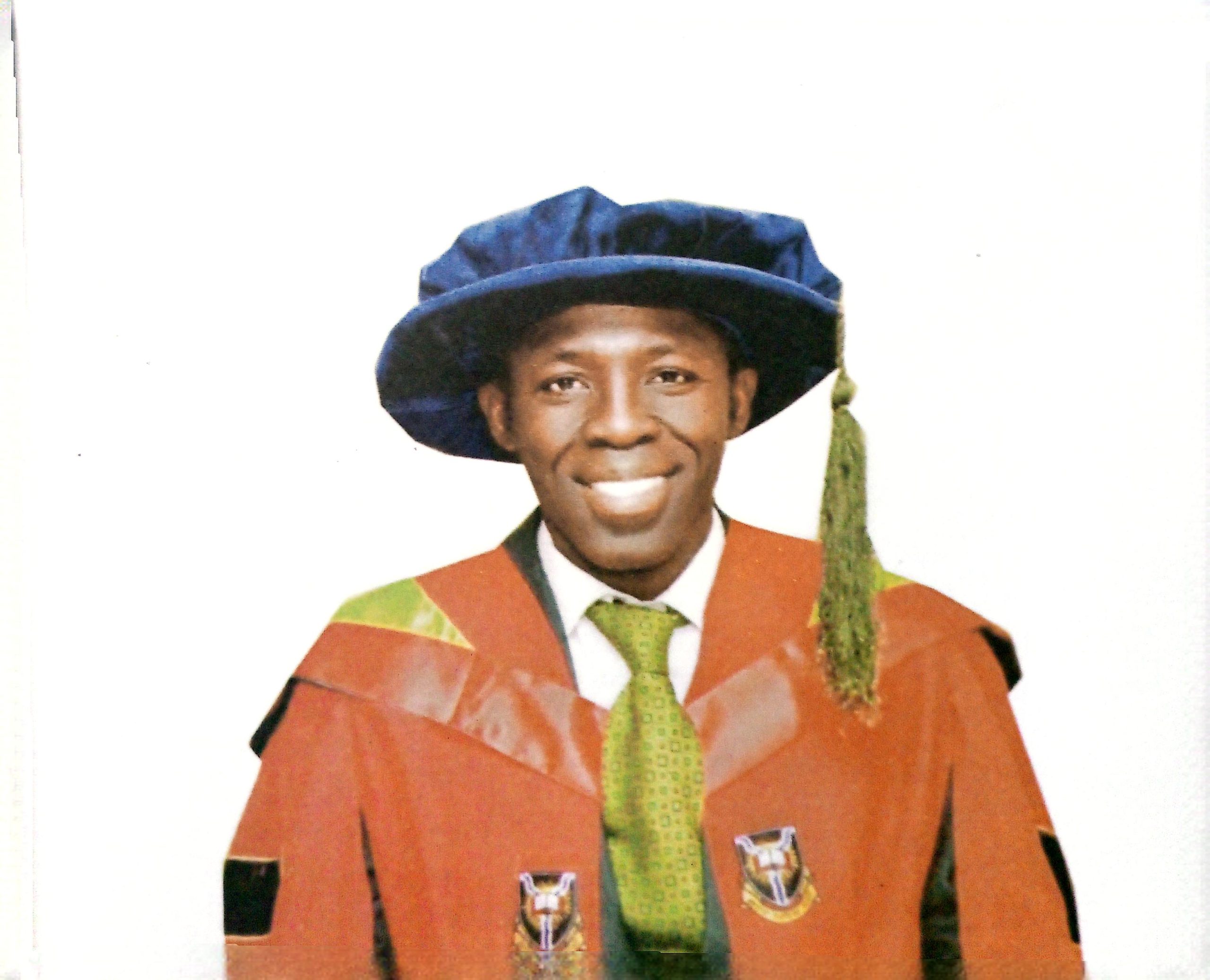
For decades, many believed that forests were inexhaustible and could be exploited without consequence. However, forests are fragile ecosystems that require deliberate and sustainable management, says Professor Folaranmi Dapo Babalola.
Delivering the 277th Inaugural Lecture of the University of Ilorin on Thursday, April 10, 2025, Prof. Babalola, the first inaugural lecturer from the Department of Forestry Resources Management and the 22nd from the Faculty of Agriculture, challenged popular misconceptions about forests.
ROYAL NEWS reports that the renowned scholar emphasized the need for active reforestation, recommending the planting and restoration of indigenous tree species to preserve Nigeria’s unique tree biodiversity.
He also addressed the cultural myths that portray forests as dark and dangerous places inhabited by evil spirits. “Forests are ecosystems rich in biodiversity,” he said, noting that while they hold cultural, traditional, and spiritual significance, they are vital for environmental sustainability.
Prof. Babalola underscored the crucial role forests play in mitigating climate change, describing them as a natural solution to one of the most pressing global issues of our time.
“Unfortunately, some people still view climate change as divine punishment or the wrath of ancestral spirits,” he lamented. He called for greater awareness and understanding, emphasizing that trees have spiritual relevance across cultures and religions, often symbolizing life, morality, and spiritual growth.
“Forests are not just a collection of trees,” he explained. “They regulate water cycles, store carbon, enrich soil health, and provide habitats for diverse wildlife.” These functions, he added, are critical for maintaining ecological balance.
Concluding his lecture, Prof. Babalola warned against the dangers of unchecked exploitation of forest resources, including illegal logging and deforestation. Without proper regulation and public awareness, he said, these activities will continue to threaten forest sustainability.
He advocated for stronger forestry education, describing it as essential to developing future conservationists, researchers, and policymakers capable of promoting sustainable forest management.


