


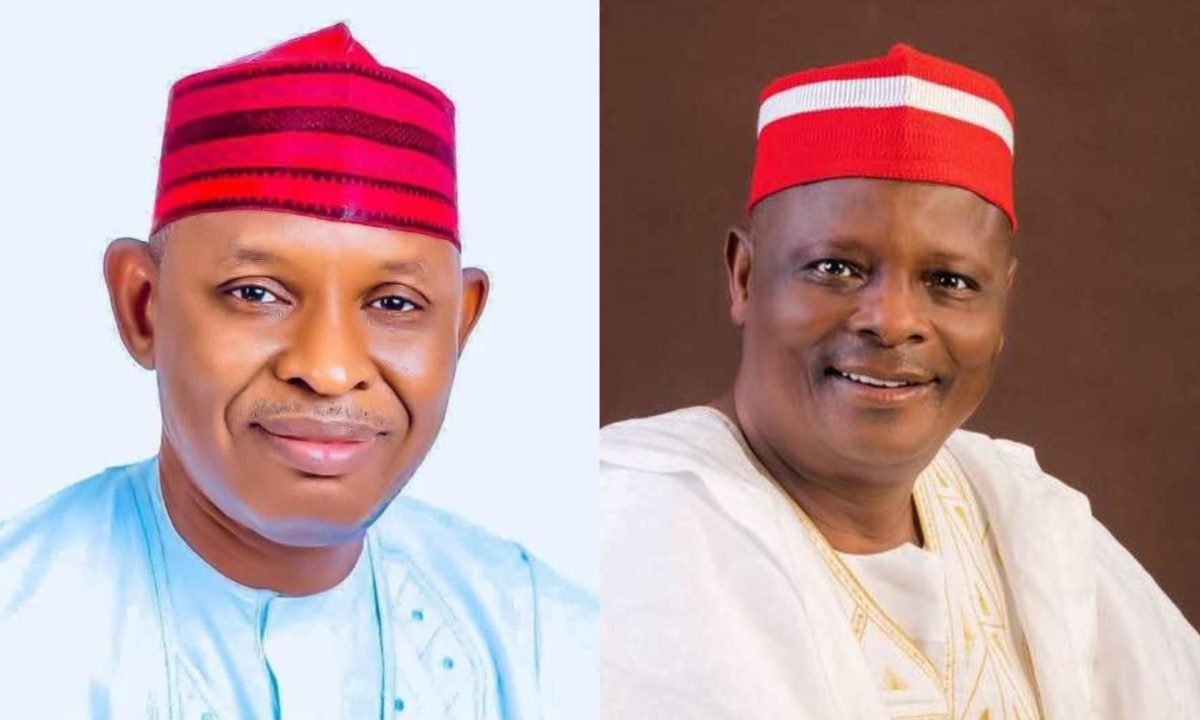
The New Nigeria Peoples Party (NNPP) last month lost control of its only state after Kano State Governor, Abba Kabir Yusuf, defected to the ruling All Progressives Congress (APC), a move widely seen as part of strategic realignments ahead of the 2027 general elections.
Yusuf’s defection marked one of the most significant political shifts in Kano’s recent history, ending his long-standing alliance with NNPP leader and former governor, Rabiu Musa Kwankwaso, and aligning him with former governor and APC national chairman, Abdullahi Ganduje. The governor cited persistent internal crises within the NNPP, unresolved leadership disputes, prolonged court cases, and deep divisions at both state and national levels as reasons for leaving the party.
Kwankwaso, visibly emotional after the defection, described January 23, 2026—the day Yusuf formally joined the APC—as a “day of betrayal,” urging that it be remembered globally as a symbol of broken trust. In a BBC Hausa interview, the former NNPP presidential candidate predicted that Yusuf would lose the 2027 governorship election, arguing that Ganduje lacks popular support in Kano and that candidates publicly endorsed by him have previously failed.
The APC swiftly rejected the claim, insisting that Ganduje’s political backing has produced victories across several states. The party maintained that Kano remains firmly within its reach, citing its popularity and the impact of the federal government’s Renewed Hope Agenda. The APC also dismissed Kwankwaso’s comments as rhetoric rooted in past electoral losses.
Within the NNPP, party leaders and loyalists condemned Yusuf’s move as an act driven by personal political survival rather than public interest. Senior figures, including Board of Trustees Secretary Buba Galadima and National Youth Leader Auwal Musa Muhammad, insisted that the party’s structure remains intact nationwide and that Kwankwaso’s political influence in Kano endures despite the defection.
Meanwhile, the Kano State Government has downplayed concerns about Yusuf’s re-election prospects, asserting that his chances in 2027 depend on performance and popular support rather than political godfathers. The governor and Kwankwaso both tested their grassroots strength during separate visits to Kano’s Singer Market following a fire outbreak, where each received warm receptions—underscoring the ongoing contest for political dominance in the state.


