Tag: Coronavirus

  • Coronavirus infections continue to rise in China

    Coronavirus infections continue to rise in China

    Case numbers continued to rise in China as the country is suffering its worst wave of COVID-19 infections since the pandemic began.

    A total of 5,154 new infections were registered nationwide on Monday, according to official figures released on Tuesday, setting a new high in the current coronavirus wave.

    New infections have been reported from 20 regions of the country, with Jilin province in north-eastern China remaining the hardest-hit with 4,067 new infections detected.

    The capital Beijing and the two important economic centres Shanghai and Shenzhen also reported new infections.
    Both Shenzhen and Changchun, the provincial capital of Jilin, are currently in lockdown, which is also affecting the economy.

    In Changchun, carmaker Volkswagen had to temporarily suspend operations at three plants operated jointly with Chinese partner FAW on Monday.

    In Shenzhen, Apple supplier Foxconn stopped production at its manufacturing facility.

    The sprawling tech hub’s nine million inhabitants are in a one-week lockdown of the city.

    China has been pursuing a strict zero-Covid strategy, responding to local outbreaks with lockdowns, mass testing, transport restrictions and quarantines.

  • COVID-19: Nigeria record over 3,000 deaths, surpasses 250,000 cases

    COVID-19: Nigeria record over 3,000 deaths, surpasses 250,000 cases


    Nigeria has confirmed an excess of 250,000 cases, recorded over 3,000 deaths, this is as the country On Sunday, 27th February 2022, marked exactly two years since the first case of coronavirus disease (COVID-19) was first detected in Nigeria.

    An outbreak was largely aided by the prompt notification of health authorities by an astute attending physician with major lessons learnt in its bid to strengthen the country’s health system to cope with other infectious diseases and future health emergencies.

    Prior to COVID-19, the world was preparing for a possible influenza pandemic, yet the arrival of SARS-CoV-2 highlighted inadequacies in global pandemic preparedness, given the interconnectedness of the world (now essentially a global village).

    Speaking on pandemic preparedness, the NCDC in a statement signed by the Director General Nigeria Centre for Disease Control, Dr. Ifedayo Adetifa said Nigeria is at constant risk of public health emergencies that have the potential to greatly disrupt lives and livelihoods like COVID-19 did.

    This he says makes it critical to learn from lessons taught by this pandemic to strengthen preparedness and response to other diseases in line with our mandate.

    “We have continued to face outbreaks of cholera and Lassa fever concurrently with the COVID-19 pandemic.

    “The COVID-19 pandemic response has recorded the largest political commitment in the history of health system development in Nigeria due to its global relevance and impact on our economy.

    “This has provided opportunities for prioritising health on the political agenda and attracting the required future investment in health security. We all have the responsibility to encourage and continue to hold authorities accountable to sustain interest and investment in healthcare in general and particularly for health security.

    “The Nigeria Centre for Disease Control (NCDC) as Nigeria’s national public health institute is mandated to lead on the preparedness, detection, and response to disease outbreaks of public health importance and to mitigate the health impact of public health emergencies/disasters. In the last five years, several efforts have been made towards improving our health system, as well as increased investment in response to the COVID19 pandemic.”

    He explained that during the pandemic, the NCDC supported the establishment of infectious disease treatment centres, molecular laboratories, and public health emergency operation centres in all States, and provided equipment required for critical care in hospitals e.g., dialysis machines.

    NCDC has also led the training of over 40,000 health workers on infection prevention control, completed the digitalisation of the country’s infectious disease surveillance system, provided support including of vehicles for outbreak investigation across states, and ensured regular supplies of treatment and testing supplies among other activities.

    He noted that despite this progress, it is essential that these investments in health infrastructure are sustained beyond COVID-19. Our priority remains to work with relevant government institutions and our partners to learn lessons from the pandemic and build back better.

    Although it requires significant financial investments to build infrastructure and procure equipment, investment in the strengthening of the capacity of relevant human resources to drive progress towards national health security is vital.

    “We are grateful to our workforce for their sacrifice and dedication to protecting the health of Nigerians. We also remain grateful to collaborating government institutions, partners across all sectors, civil society organisations, community and religious leaders, media stakeholders, and all Nigerians for working with us in solidarity to fight COVID-19.

    “Despite the prevailing pandemic fatigue, COVID-19 is still a global reality with the risk of emergence of dangerous variants. Overcoming this pandemic and future disease outbreaks requires national and international collaboration. On a personal level, we can contribute by getting vaccinated and adhering to COVID-19 safety measures.”

    He noted that the NCDC remains committed to working under the leadership of the Federal Ministry of Health and in close collaboration with the Presidential Steering Committee on COVID-19 to end the pandemic and protect the health of every Nigerian.

  • COVID-19: FG rolls out single dose vaccine, launch S.C.A.L.E.S 2.0 strategy ramp up vacination

    COVID-19: FG rolls out single dose vaccine, launch S.C.A.L.E.S 2.0 strategy ramp up vacination

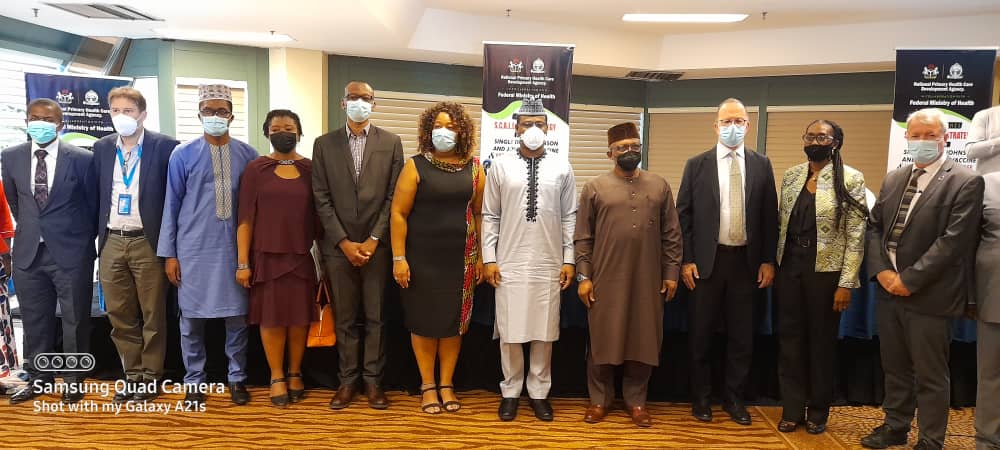
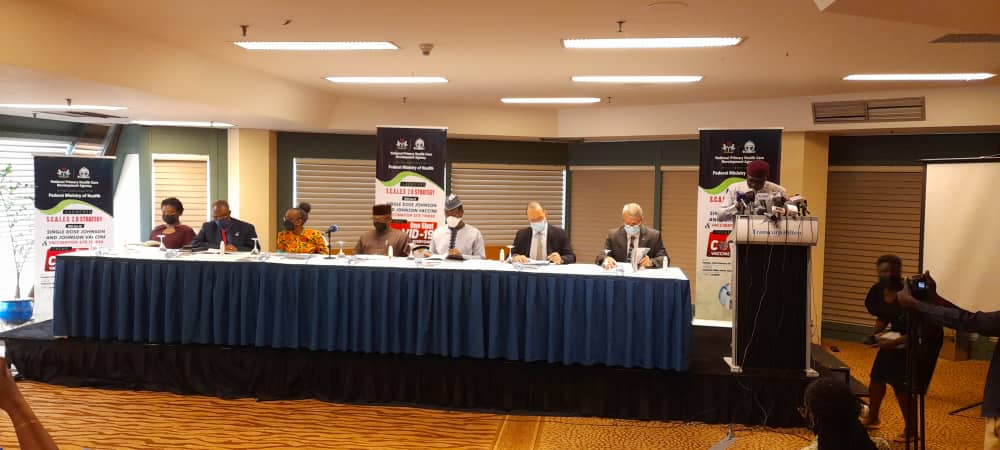
    The Federal Government has launched Service Delivery, Communication, Accountability, Logistics, Electronic Reporting, and Supportive Supervision for the ongoing COVID-19 vaccination ( S.C.A.L.E.S) to rapidly ramp up ongoing COVID-19 vaccine coverage and also roll out Johnson and Johnson single dose vaccine.

    SCALES 2.0 Strategy, entails the integration of COVID-19 vaccination with childhood routine immunization for eligible adults, 18 years and above and children zero to two years respectively.

    Speaking at the launch on Tuesday in Abuja, the Minister of Health, Dr. Osagie Ehanire said the launch of the S.C.A.L.E.S 2.0 strategy became imperative for leveraging Mass Vaccination Campaigns, Routine Immunization Fixed sessions, Outreach services and Mobile services for Nigerians.

    He also said the launch is to formally roll out the Johnson and Johnson single dose vaccine while introducing the COVID-19 vaccination site finder.

    Ehanire explained that the strategy would ensure that while controlling the transmission of COVID-19, Nigeria does not become a fertile ground for outbreak of childhood vaccine preventable diseases by rapidly increasing RI uptake alongside COVID-19 uptake.

    Furtherance, the S.C.A.L.E.S strategy means that all childhood vaccination, including administration of vitamin A, will now be done alongside COVID-19 vaccination at COVID-19 vaccination sites.

    Eligible children will now be able to receive their BCG, Penta 3, OPV 3, OPV 1&2, Measles, Yellow Fever vaccines, as well as Vitamin A supplement, at the sites where the adults receive COVID-19 vaccines. An action which Shuaib described as the good news.

    He assured Nigerians of adequate stock of the Johnson and Johnson vaccine, to the tune of over 30 million doses in stock and also called on all eligible persons that are yet to receive their vaccination to go to the nearest COVID-19 vaccination site and get vaccinated.

    Ehanire noted that the single dose offers the same protection one get from two doses of AstraZeneca, Pfizer Bio-N-Tech and Moderna vaccines, and encourage those who have received their first dose of AstraZeneca, Moderna or Pfizer vaccines to ensure they take their second dose when due, to be fully vaccinated and protected.

    In a similar vain, the Executive Director, National Primary Health Care Development Agency (NPHCDA), Dr. Faisal Shuaib disclosed that there is well enough Johnson and Johnson single dose COVID-19 vaccine to go round the country, adding that the vaccine would be available in all parts of the country before the week runs out.

    Speaking on the introduction of vaccination site finder, Shuaib said it is for the purpose of ensuring easy access to vaccine site, as mass vaccination sites have been established at all public places such as markets, parks, shopping malls, schools, mosques, and churches and can be viewed on www.vacsitefinder.nphcda.gov.ng. UNICEF, WHO and several other international partners graced the event.


  • 95-year-old Queen Elizabeth II tests positive for COVID

    95-year-old Queen Elizabeth II tests positive for COVID

    Olakunle Adeniyi with Agency Report

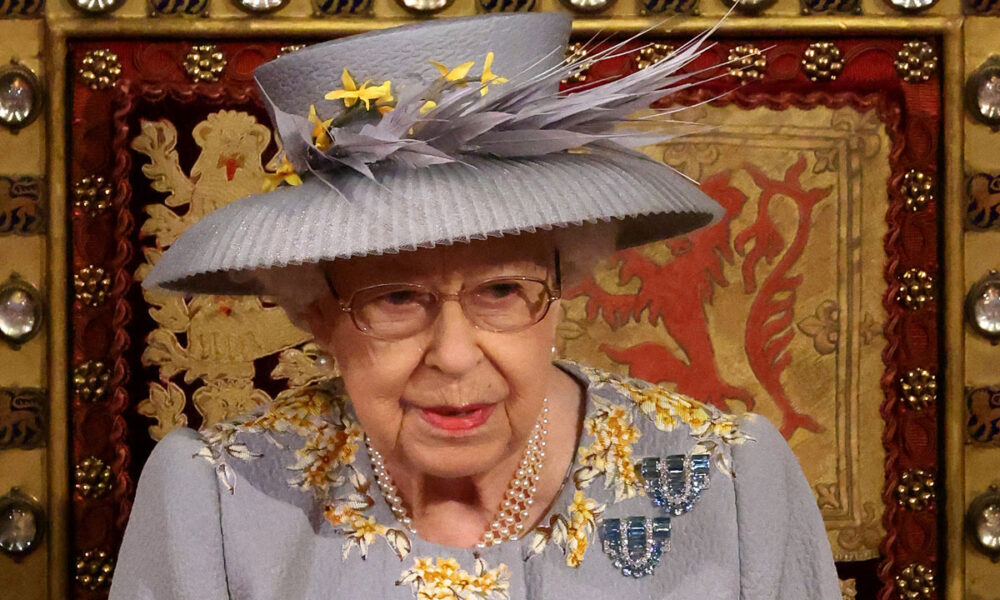
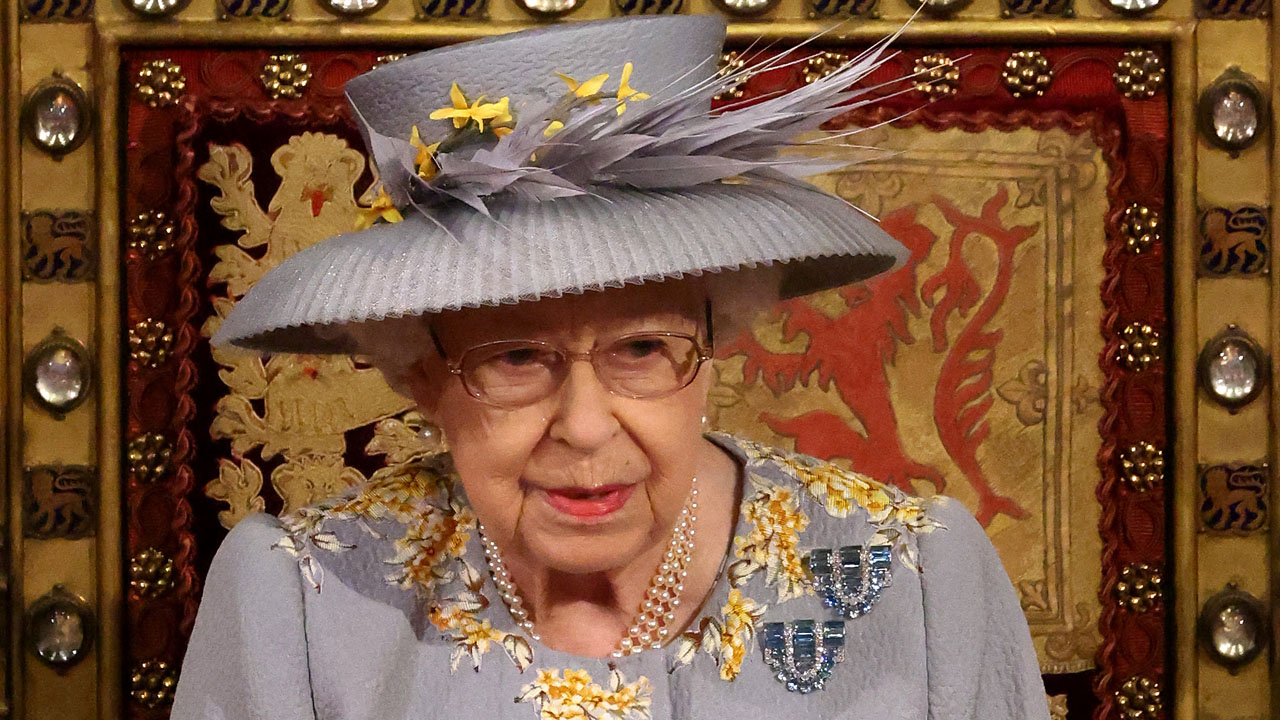
    Queen Elizabeth II tested positive for COVID-19 on Sunday and is experiencing mild, cold-like symptoms, Buckingham Palace said, adding that she still plans to carry on working. The diagnosis prompted concern and get-well wishes from across Britain’s political spectrum for the famously stoic 95-year-old.

    Britain’s longest-reigning monarch and a fixture in the life of the nation, the queen reached the milestone of 70 years on the throne on Feb. 6, the anniversary of the 1952 death of her father, King George VI. She will turn 96 on April 21.

    The palace said the queen, who has been fully vaccinated and had a booster shot, would continue with “light” duties at Windsor Castle over the coming week.

    “She will continue to receive medical attention and will follow all the appropriate guidelines,” the palace said in a statement.

    People in the U.K. who test positive for COVID-19 are now required to self-isolate for at least five days, although the British government says it plans to lift that requirement for England this week.

    Both the queen’s eldest son Prince Charles, 73, and her 74-year-old daughter-in-law Camilla, Duchess of Cornwall contracted COVID-19 earlier this month. Charles has since returned to work. There are also thought to be several recent virus cases among staff at Windsor Castle, where the queen is staying.

  • COVID-19:  296 new infections recorded in 24 hours, 12 more deaths –NCDC update

    COVID-19: 296 new infections recorded in 24 hours, 12 more deaths –NCDC update


    No fewer than 296 new infections and 12 COVID-19 related deaths were recorded in the country in the past 24 hours, according Tuesday morning’s update by the Nigeria Centre for Disease Control (NCDC) in Abuja.

    The new infections, which were reported in 14 states and the FCT, boosted the national total to 204,752 cases, with 192, 943 discharged, while a total of 2,689 deaths were recorded nationwide, the public health agency confirmed.

    A breakdown of the new infections indicated that, Rivers had 63 cases, Lagos (49), FCT (47), Osun (37), Edo (29), Plateau (18), Gombe (14), Nasarawa (12), Delta (10), Benue (5), Kano (5), Bayelsa (3), Oyo (2), Bauchi (1), and Ekiti (1)

    “Today’s report included:10 cases reported for Delta state for Sept. 27th (2) and 26th (8) 7 deaths reported for Delta state for August 18th (1), 29th (1), 30th (1), September 6th (1), 10th (1), and 13th (1).

    “29 cases were reported for Edo state for September 27th (12) and 26th (17). “3 deaths were also reported for Edo state for 27th (2) and 26th (1),” NCDC stated.

    It added that over 2. 9 million samples of the virus out of the nation’s roughly 200 million population were tested, as the multi-sectoral national emergency operations centre (EOC), activated at Level 2, continued to coordinate the national response activities.

    The NCDC stated that the number of active COVID-19 cases in the country presently stood at 9,111.

  • NCDC announces 210 additional COVID-19 cases, two deaths in 24 hours

    NCDC announces 210 additional COVID-19 cases, two deaths in 24 hours

    COVID-19
    The Nigeria Centre for Disease Control (NCDC), says the country recorded two more COVID-19-related deaths with 210 additional cases in the last 24 hours.

    The NCDC, in its latest update on Sunday morning, said the cases were reported in 12 states and the Federal Capital Territory (FCT).

    It indicated that the country’s total infection from the pandemic currently stands at 204,201 while the fatality toll increased to 2,673.

    It also noted that six states – Benue, Kano, Nasarawa, Plateau, Sokoto and Zamfara – recorded no new cases.

    The breakdown shows that Lagos remains the nation’s epicentre of the virus with 79 cases, followed by Edo with 20 new infections and Anambra third with 19 cases.

    Other states are Rivers (18), Ondo (15), Gombe (14), Oyo (13), Kaduna (11), Ekiti (8), Delta (6), FCT (5), Bayelsa (1) and Kano (1).

    The NCDC stated with the new figure, a total of 192,421 patients have so far recovered from COVID-19 in the country.

    It added that over 2. 9 million samples of the virus from the nation’s roughly 200 million population have been tested.

    The NCDC noted that a multi-sectoral national emergency operations centre (EOC), activated at Level 2, continued to coordinate the national response activities.

    The agency stated that the number of active COVID-19 cases in the country stands at 9,098.

  • WHO backs Regeneron COVID-19 drug cocktail

    WHO backs Regeneron COVID-19 drug cocktail


    Dr Janet Diaz, Head of Clinical Care,World Health Organisation’s (WHO), says Regeneron antibody drug cocktail `casirivimab and imdevimab’ has been added to WHO list of treatments for COVID-19 patients.

    Diaz said it was a major breakthrough in the care of COVID-19 patients.

    News Agency of Nigeria (NAN) reports that the latest addition to WHO’s list of treatment for COVID-19 was reported on UN website on Friday.

    Diaz said that it was important to underscore the need for lower prices and equitable distribution of the drugs.

    “This is our first recommendation for a therapeutic for those patients with mild, moderate disease, this is because it reduces “the need for hospitalisation if they are at high risk,’’ Diaz said.

    She said that WHO’s conditional recommendations are for use of the drug combination on patients who are not severely ill but at high risk of being admitted to hospital with COVID-19.

    “Those with severe cases of the disease and no existing antibodies included.

    “Giving them this additional antibody seems to show an effect. And what effect is that? A reduction in mortality,’’ Diaz said.

    She said that the antibody therapy was granted emergency use authorisation in the United States November in 2020 after it was used to treat former President Donald Trump when he was admitted to hospital with the virus.

    According to her, the United Kingdom has also approved Regeneron, while it is under review in Europe.

    Diaz said that WHO recommendations were largely based on data from a British study of 9,000 patients in June which found that the therapy reduced deaths in hospitalised patients whose own immune systems had failed to produce a response.

    “We are taking the information from the UK study and generalizing it to other persons.

    “We saw there was a benefit we thought was meaningful,’’ Diaz said.

    She said that the treatment had been in use for decades to treat many other diseases, including cancers.

    According to her, it is based on a class of drugs called monoclonal antibodies which mimic natural antibodies produced by the human body to fight off infections.

    She said that Swiss drugmaker Roche, had been working in partnership with Regeneron, which holds the patent, to produce the antibody treatment.

    Diaz urged Regeneron to lower the drug’s price and work on equitable distribution worldwide.

    “We know that the life-saving benefits and the benefits for patients with COVID-19 is significant and requires action,’’ she said.

    She added that WHO hosted health agency UNITAID, had been negotiating directly with Roche for lower prices and equitable distribution across all parts of the world, including low and middle-income countries.

    “WHO has also been in discussions with the company for a donation and distribution of the drug through UN Children’s Fund UNICEF, following allocation criteria set by the health agency.

    “We are working together with the company so, we can address these very important issues so, we can have equitable access,’’ she said.

    Diaz explained that WHO said in parallel it had launched a call to manufacturers who may wish to submit their products for pre-qualification.

    She said it would allow for a ramping-up of production and therefore greater availability of the treatment and expanded access.

    “ Access to COVID-19 Tools Accelerator, (ACT-A) partners are also working with WHO on an equitable access framework for recommended COVID-19 therapeutics.

    “There are bottlenecks and we are aware of those,’’ Diaz said.

    She said that WHO hasy launched the per-qualification expression of interest call so that the manufacturing companies can start to submit their dossiers to WHO .
  • WHO recommends 1st preventive therapy for patients at high risk of COVID-19

    WHO recommends 1st preventive therapy for patients at high risk of COVID-19


    The World Health Organisation (WHO) has for the first time recommended a combination of drugs to prevent severe COVID-19 disease in infected high-risk patients.

    The WHO published its new recommendations in the British Medical Journal on Friday.

    The WHO referred to studies indicating a combination of casirivimab and imdevimab by the U.S. company Regeneron and the Swiss company Roche can improve patients’ chances of survival.

    WHO now recommends the administration of casirivimab and imdevimab for coronavirus patients with previous illnesses who run the risk of falling seriously ill with Covid-19 and face treatment in intensive care units.

    “Patients at higher risk for hospitalisation and those who have not developed natural antibodies against Covid-19 are the two patient groups that stand to benefit most from the combined drug treatment.”

    The WHO urged manufacturers and governments to address the high price and limited production of the Regeneron antibody combination.

    It also noted that negotiations are being held with Roche on matters to lower prices, possible donation and fair distribution around the world.

    An aid organisation, Doctors Without Borders, reported that Regeneron has already filed patent applications in at least eleven poorer countries.

    The aid organisation called on the Regeneron company to refrain from enforcing patents in poorer countries.

    “It was not fair that people who live in poorer countries do not have access to these Covid-19 drugs, which reduce the risk of death.

    “Just because pharmaceutical companies have a monopoly and want high returns, ” the aid organisation said.

  • COVID-19: Nigeria’s infections hit 203,081

    COVID-19: Nigeria’s infections hit 203,081


    The Nigeria Centre For Disease Control (NCDC), says the country’s COVID-19 cases rose to 203,081 on Wednesday, recording additional 377 new infections.

    The NCDC, via its official website, disclosed this on Thursday morning.

    The News Agency of Nigeria (NAN) reports that the additional 377 COVID-19 infections, on Wednesday, indicated a decrease from the 513 cases reported on Tuesday.

    The NCDC added that the 377 new cases of the coronavirus, bring the total number of infections in the country to 203,081.

    The agency noted that 15 states and the Federal Capital Territory (FCT), reported the cases of COVID-19 on Wednesday.

    The NCDC stated that Lagos state reported the highest number on Wednesday with 70 news cases, lower than the 132 cases it recorded the previous day.

    Amongst others were; FCT-67, Kaduna-38, Edo-36, Rivers-28, Delta-23, Kwara-22, Ondo-18, Plateau-17, Oyo-16, Benue-12, Ekiti-10, Gombe-8, Kano-7, Imo-3 and Jigawa-2.

    It added that the latest report includes; backlog of 2 confirmed cases for Jigawa for September 16, 2021 and zero cases from Nasarawa, Ogun, Osun and Sokoto States.

    The disease center also noted that 231 patients recovered and were discharged from various isolation centres in the country, while it noted that two other people died from the COVID-19 complications.

    According to it, till date, 203,081 cases have been confirmed, 191,601 cases discharged and 2,666 deaths have been recorded in 36 states and the Federal Capital Territory.

    It said that the Country had tested a total of over 2,997,060 million samples from its roughly 200 million population.

    The NCDC added that a multi-sectoral national emergency operations centre (EOC), activated at Level 2, continues to coordinate the national response activities.

    The NCDC disclosed that there were over 8,806 active cases across the country.

  • NCDC announces three additional COVID-19 related deaths, 513 new cases

    NCDC announces three additional COVID-19 related deaths, 513 new cases


    Fourteen states and the Federal Capital Territory (FCT), have announced 513 new cases of COVID-19 on Tuesday, according to figures released on Wednesday morning by the Nigeria Centre for Disease Control,(NCDC).

    The NCDC added that the 513 new cases, bring the total number of infections in the country to 202,704.

    The News Agency of Nigeria (NAN), reports that the additional 513 COVID-19 infections, on Tuesday indicates an increase from the 393 cases reported on Monday.

    It added that lagos state led the chat with 132 news cases, higher than the 86 cases it recorded the previous day.

    Amongst other were; the FCT (80), Rivers (70), Kaduna (43), Edo (40), Ondo (32), Delta (23), Akwa Ibom(21), Kwara (16), Gombe (12), Anambra (9), Benue (9), Kano (7), Oyo (6), Borno (3), Bayelsa and Kastina , Ogun (2), each and Jigawa (1).

    According to it, till date, 202,704 cases have been confirmed, 190,370 cases discharged and 2,664 deaths have been recorded in 36 states and the FCT.

    The disease agency said that the Country had tested a total of over 2,997,060 million samples from its roughly 200 million population.

    It added that a multi-sectoral national emergency operations centre (EOC), activated at Level 2, continues to coordinate the national response activities.

    The public health agency disclosed that there were over 8,685 active cases across the country.

    Meanwhile, the NCDC noted that the pandemic had challenged the world greatly but had also provided clarity on what the world needed to do to secure its future.

    “History will not judge us kindly if we fail to build on the gains of the COVID-19 response.

    “We remain committed to strengthening partnerships that will enable us to build back better for national and global security,” it said.

    According to it, “I wish to re-emphasise that we must fervently avoid complacency and continue to abide by the given Non-Pharmaceutical Interventions.

    “Remember that Nigeria is a well-traversed country and is susceptible to further importation of the virus, especially when there is clear evidence that the third wave of the COVID-19 pandemic has begun across the continent.

    “It is important to emphasize that it is in the interest of public safety and collective well-being of Nigerians that the Federal Government has made available these vaccines free for all eligible persons,” the NCDC announced.

    “Lets make ourselves and loved ones available and get inoculated,” it advised.