Nigeria’s currency, the naira, made a marginal gain on the official foreign-exchange market on Tuesday, trading at ₦1,447.43 to the US dollar, compared with ₦1,448.03 on Monday — a daily appreciation of roughly ₦0.60. Meanwhile, the parallel market rate held steady at ₦1,465 per dollar, unchanged from Monday.
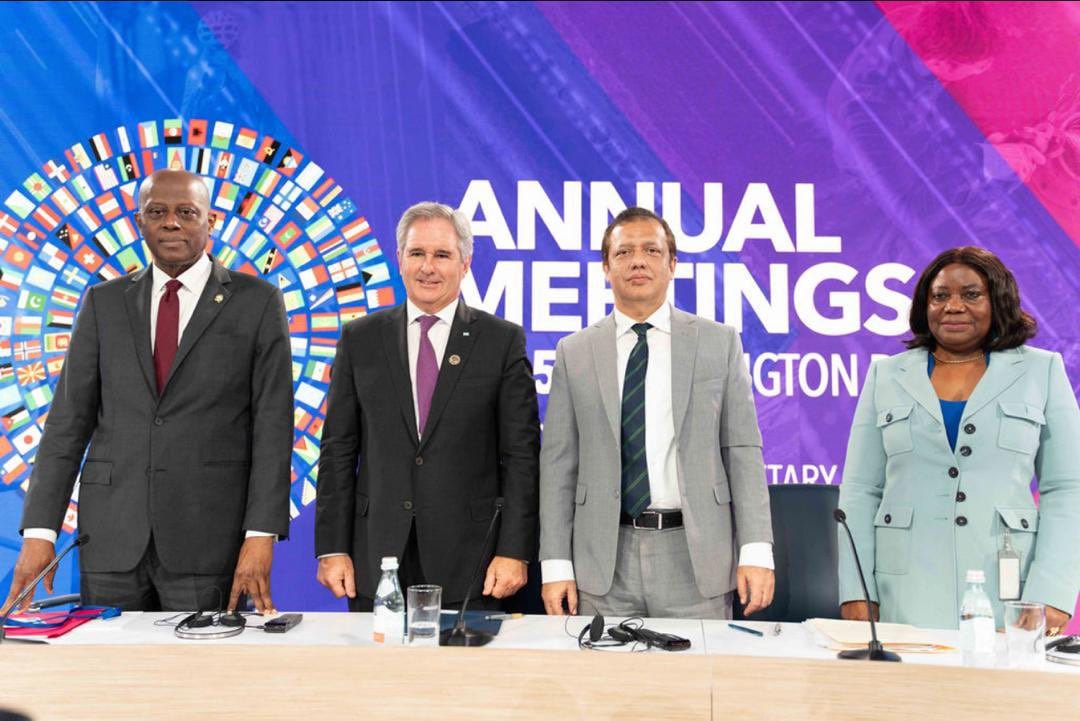
Data from the Central Bank of Nigeria (CBN) also showed the country’s foreign‐exchange reserves at US$43.97 billion as of 17 November 2025. In remarks earlier that day, CBN Governor Olayemi Cardoso announced that reserves had reached a seven-year high of US$46.7 billion as of 14 November. He attributed the rise to improved oil receipts, strong portfolio inflows and restored investor confidence.
The near-flat movement of the naira in the official segment comes amid this strengthening reserve position, which the central bank says underpins exchange-rate stability. However, the persistent gap between the official and parallel market rates signals that currency pressure remains in segments of the market.
Analysts note that while the increase in external buffers is a positive sign, the modest FX-market movement suggests that deeper structural challenges — including demand for foreign currency for trade and investment, and differential access between market segments — will continue to influence the naira’s path in the near term.