


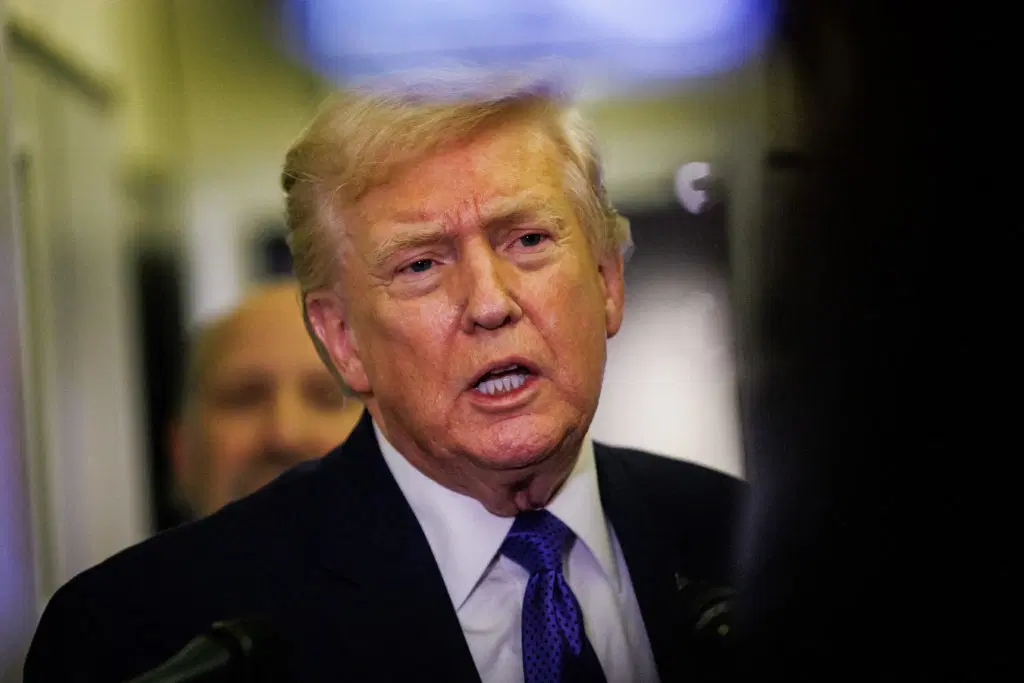
 The United States Department of the Treasury has announced plans to issue new US paper currency bearing the signature of Donald Trump, marking what officials say will be the first time a sitting American president’s signature appears on dollar notes as part of commemorations for the country’s 250th anniversary. 🇺🇸
Traditionally, US banknotes carry the signatures of the Treasurer of the United States and the Treasury Secretary. Under the new arrangement, upcoming bills will instead feature the signatures of Trump and current Treasury Secretary Scott Bessent.
Announcing the decision, Bessent said the move was intended to highlight what he described as the administration’s economic achievements and reinforce confidence in the US dollar as the country approaches its semiquincentennial celebration in 2026.
The decision forms part of a broader set of commemorative initiatives tied to the 250th anniversary of the July 4, 1776 founding of the United States. Officials said the redesigned currency would symbolically reflect the milestone.
In a related development, a presidential advisory commission recently approved the design of a commemorative gold coin featuring Trump’s image. The coin, also linked to the anniversary celebrations, reportedly shows Trump standing behind a desk on one side, while the reverse carries an eagle motif resembling imagery associated with the Liberty Bell.
The coin will not be legal tender, and its price has not yet been announced. However, similar commemorative coins produced by the United States Mint have previously sold for more than $1,000.
The proposal to place Trump’s likeness on a coin has drawn criticism from political opponents, who argue it conflicts with federal conventions that prohibit living presidents from appearing on US currency. Despite the objections, the administration has continued exploring additional commemorative currency designs, including a proposed temporary $1 coin featuring Trump’s portrait.
Officials say the initiatives are intended to mark the historic anniversary, though they have also intensified debate over the role of political symbolism in national currency.


