


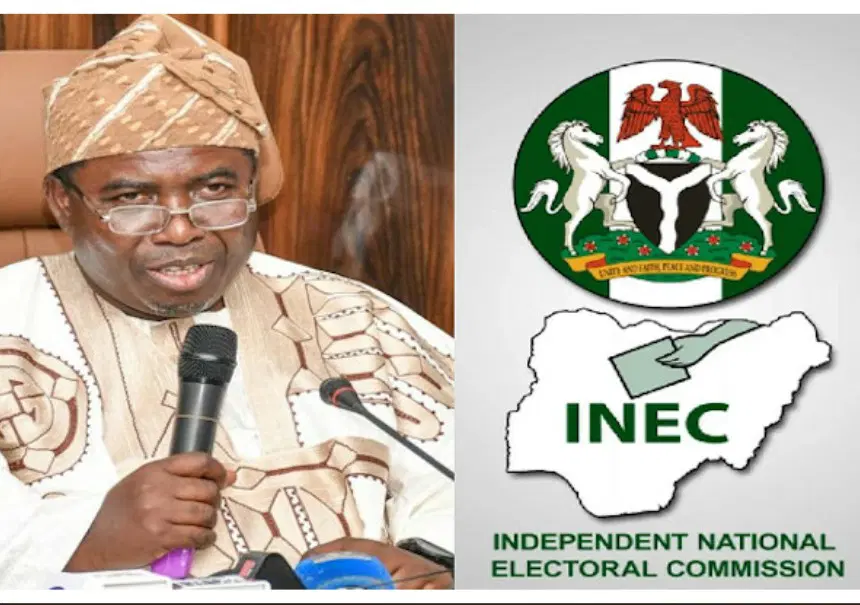
Barely seven months before Nigeria’s 2027 general elections, growing insecurity across the country is raising concerns about the ability to conduct peaceful, credible, and inclusive polls.
Recent data highlights the scale of the challenge. According to the 15th Report on Violence in Nigeria by Nigeria Watch, 5,272 people were killed in violence-related incidents between January and May 2026. The report also revealed that 222,137 Nigerians lost their lives in 46,182 violent incidents recorded nationwide between 2006 and 2025.
The worsening security situation, driven by terrorism, banditry, kidnapping, communal clashes, and other violent crimes, has prompted warnings from the Independent National Electoral Commission (INEC), civil society groups, and legal experts that the 2027 elections could face serious disruptions if urgent action is not taken.
INEC Chairman, Professor Joash Amupitan, has repeatedly stressed the need for proactive security measures ahead of the polls. During a recent meeting with Inspector-General of Police Olatunji Disu, he warned that insecurity, electoral violence, and vote-buying could undermine public confidence in the electoral process if not effectively addressed.
Amupitan called for comprehensive security risk assessments and stronger collaboration among security agencies, political parties, communities, and election officials. He described the Inter-Agency Consultative Committee on Election Security (ICCES) as central to safeguarding the electoral process and urged stakeholders to adopt intelligence-driven strategies rather than reactive responses.
Responding, the Inspector-General of Police assured Nigerians that the force had already begun nationwide threat assessments and intelligence mapping to identify potential flashpoints. He listed political violence, illegal arms proliferation, voter intimidation, misinformation, cyber threats, and attacks on electoral infrastructure as key concerns ahead of the elections.
Speaking at a security conference days later, Amupitan identified social media manipulation, artificial intelligence-driven disinformation, and foreign information interference as emerging threats capable of undermining electoral integrity. He warned that without adequate security, the democratic will of Nigerians could be compromised.
Senior Advocate of Nigeria, Femi Falana, also expressed concern during a June 12 democracy lecture in Abuja. Reflecting on the country’s democratic journey since the historic June 12, 1993 election, he questioned whether Nigeria was truly prepared for another election cycle amid widespread kidnappings, terrorism, and insecurity.
Human rights activist Debo Adeniran said insecurity is likely to influence voter behaviour in 2027. According to him, many Nigerians will assess political leaders based on their ability to protect lives, secure communities, and create an environment that supports economic and social activities.
As preparations for the 2027 elections continue, stakeholders agree that improving security remains essential to ensuring credible polls, strengthening public confidence, and protecting Nigeria’s democratic process.


