Drug abuse among Nigerian youths is worsening, with one in seven people aged 15 to 64 identified as drug users three times the global average, experts say.
The alarming trend was highlighted at a health talk organized by RCCG Zion Chapel, Lagos Province 57, in Ikeja, themed “Drugs and Substance Abuse: Any Hope for the Youth?” The forum brought together medical professionals, narcotics officers, and academics to discuss the issue.
Dr. Charles Davies, Medical Director of Brafus Specialist Hospital and panel moderator, identified cannabis, tramadol, codeine-based cough syrups, rohypnol, cocaine, and methamphetamine as the most commonly abused substances among young people. “These drugs are cheap, easily accessible, and often glamorized by peers, entertainers, and social media,” he said.
While speaking the press, Dr. Henrietta Igbokwe, Head of Pharmaceutical Microbiology and Biotechnology at UNILAG College of Medicine, attributed the trend to peer pressure, unemployment, and untreated mental health issues.
Retired NDLEA Assistant Commander Dr. Wale Ige warned that weak regulation and porous borders exacerbate the problem. “Despite bans, codeine and tramadol are widely available. Until enforcement improves, supply will continue to outpace control,” he said, noting that drug abuse fuels crimes such as cultism, robbery, kidnapping, and domestic violence.
The panel outlined the severe health consequences of prolonged drug use, including brain damage, organ failure, mental illness, and death. Dr. Yinka Anifowoshe, an anaesthetist at Gbagada General Hospital, described drug abuse as “a silent destroyer” that threatens an entire generation.
Experts called for a multi-pronged approach, urging parents to monitor children, schools to include drug education in curricula, and the government to invest in mental health services, vocational training, and job creation. They also recommended stronger NDLEA enforcement, tighter border controls, sanctions for complicit officials, and prioritizing rehabilitation over punishment.
Religious and community leaders were urged to intensify awareness campaigns, while youths themselves can use music, art, and social media to promote anti-drug messages.
The experts concluded that drug abuse is not just a youth problem but a national emergency. “Saving the youths means saving the future of Nigeria,” Dr. Igbokwe emphasized.









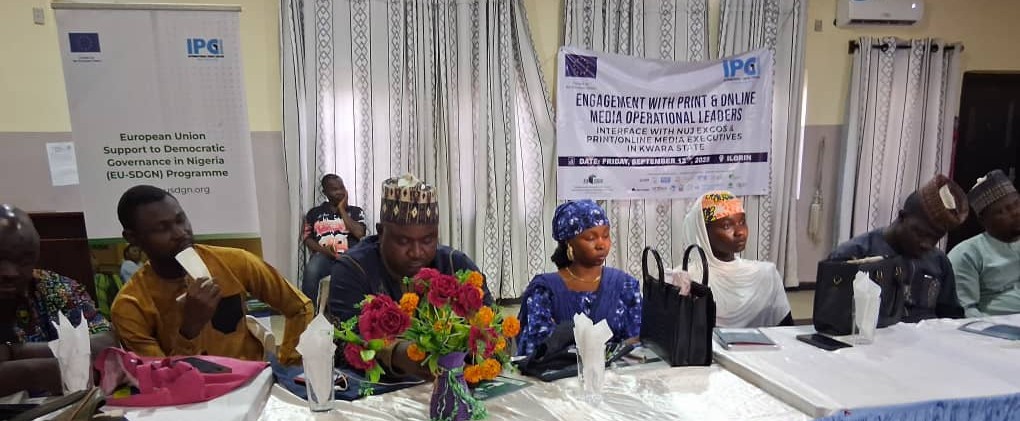 gement session with top media executives from print and online outlets in Kwara State.