Author: Nurat Adedokun

  • NEPZA and NDLEA Align on One-Stop-Shop Policy

    NEPZA and NDLEA Align on One-Stop-Shop Policy

    The Nigeria Export Processing Zones Authority (NEPZA) and the National Drug Law Enforcement Agency (NDLEA) have agreed to enhance cooperation in managing activities within Nigeria’s Free Trade Zones (FTZs), aligning with the Federal Government’s one-stop-shop policy framework.

    The agreement followed a phone discussion between NEPZA Managing Director Dr. Olufemi Ogunyemi and NDLEA Chairman Brig. Gen. Buba Marwa (retd.), prompted by complaints that some drug law officers were inspecting all containers bound for certain FTZs, a practice that contradicts the streamlined regulatory framework.

    Dr. Ogunyemi emphasized that NEPZA, responsible for licensing, monitoring, regulating, and facilitating investments in the FTZs for over 30 years, requires other agencies’ involvement on a need basis. “The NEPZA Act mandates inviting NDLEA for joint inspections only when suspicions arise, ensuring transparency while fostering investor confidence,” he said. He also reaffirmed both agencies’ commitment to enforcing Nigerian laws within the zones.

    Brig. Gen. Marwa called for stronger collaboration to maintain a healthy, drug-free business environment in FTZs, stressing that the agencies must work together without encroaching on each other’s mandates.

    Both leaders pledged to operate within the Federal Government’s Renewed Hope Agenda, which promotes inter-agency cooperation, integrity, and good governance to support economic revitalization through Nigeria’s Free Trade Zones.

  • EFCC Warns Nigerians on Procurement Fraud Risks

    EFCC Warns Nigerians on Procurement Fraud Risks

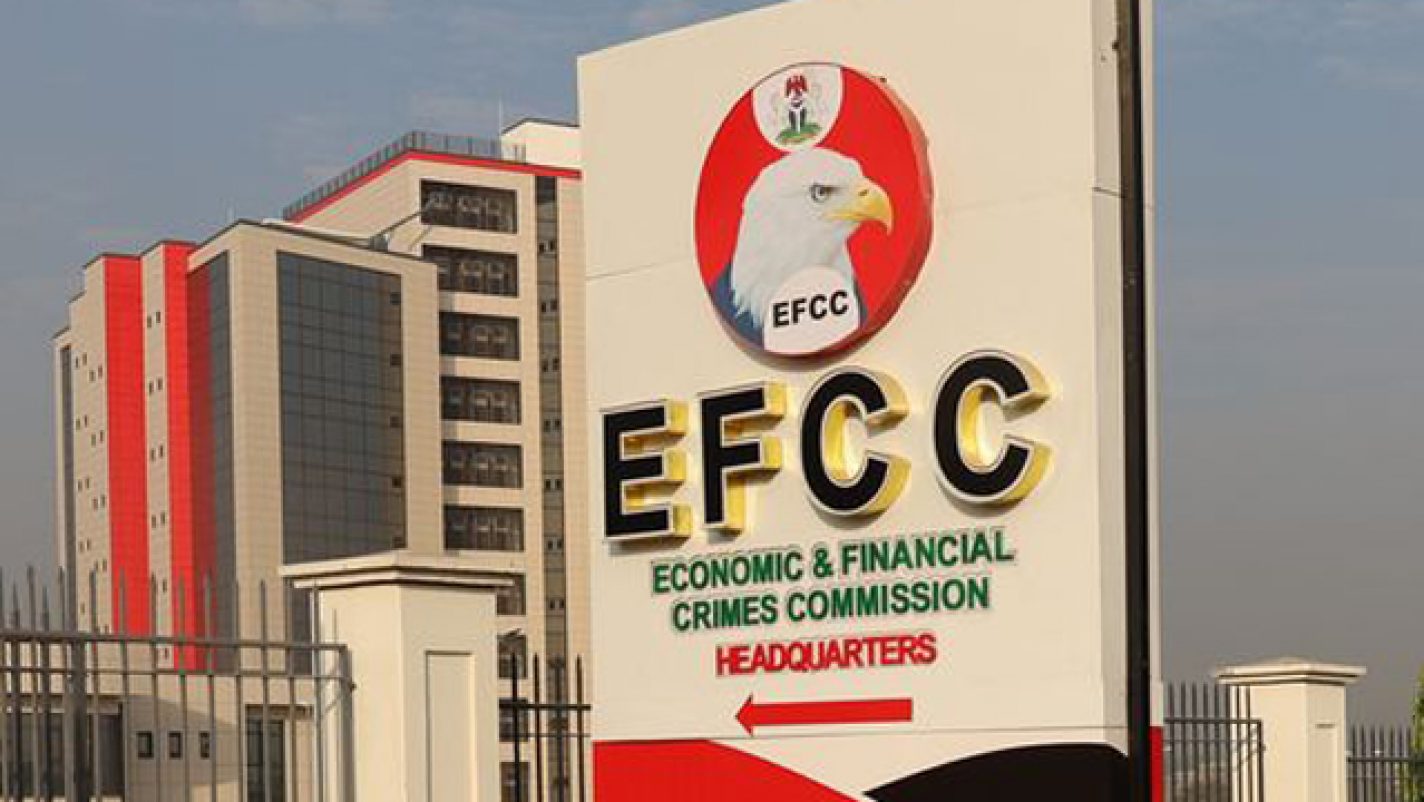
    The Economic and Financial Crimes Commission (EFCC) has highlighted procurement fraud as a major threat to accountability in Nigeria. In a Tuesday post on its official X account, the agency recalled Chairman Ola Olukoyede’s January 2025 statement that “procurement and contract fraud accounted for more than 90 per cent of Nigeria’s corruption and fraud issues.”

    Procurement fraud involves deliberate manipulation or deception in the procurement process for personal or organizational gain, often at the expense of others. The EFCC identified common forms, including bid rigging, bribery, kickbacks, over-invoicing, and product substitution. The agency warned that the crime can occur across industries, including government contracting, construction, and private sector purchases, and can result in financial losses, reputational damage, and diminished trust.

    Offenders face severe penalties under the Public Procurement Act (2007). Section 58 prescribes imprisonment of five to ten years without the option of a fine. Corrupt procurement officers risk dismissal and jail terms, while companies may be barred from public contracts for at least five years and fined up to 25 percent of the contract’s value.

    The EFCC cited the February 27, 2025, conviction of Indian businessman Chandra Singh, sentenced to 10 years without a fine for defrauding N816 million and ordered to restitute N345 million to his victim.

    The commission urged Nigerians to remain vigilant, resist attempts to manipulate contracts, and uphold fairness in procurement. “The fight against procurement fraud is a fight to safeguard public resources, promote fairness, and strengthen national development,” it stated.

  • Nigeria Earns N21tn in Six Months Amid Rising Debt

    Nigeria Earns N21tn in Six Months Amid Rising Debt

    The Federal Government earned about N21.22 trillion from five key revenue-generating agencies in the first half of 2025, highlighting stronger tax collection, oil royalties, and customs duties.

    Despite the significant inflow, the government has continued to seek foreign loans and grants to fund budget deficits and infrastructure projects. Economists warn that this borrowing could exacerbate Nigeria’s debt burden.

    Financial reports submitted to the Federation Accounts Allocation Committee (FAAC) show that the Federal Inland Revenue Service (FIRS) led collections with N13.76 trillion, followed by the Nigerian Upstream Petroleum Regulatory Commission (NUPRC) at N5.21 trillion, and the Nigeria Customs Service (NCS) contributing N2.02 trillion. The Ministry of Mines and Steel Development and the Nigerian National Petroleum Company Limited (NNPC) added N32.39 billion and N197.8 billion, respectively, although the NNPC reported N6.96 trillion in statutory remittances to FAAC during the same period.

    The combined earnings represent 58 percent of the government’s 2025 revenue projection of N36.35 trillion and 42.23 percent of targets for FIRS, NUPRC, and NCS. Analysts say the government is on track to meet or surpass its fiscal targets if revenue momentum continues.

    However, Nigeria’s total public debt rose to N149.39 trillion as of March 31, 2025, a 22.8 percent increase from N121.67 trillion in 2024. External debt exposure, particularly to the World Bank, rose to $18.23 billion, accounting for nearly 40 percent of the country’s total external debt stock. Loans from the World Bank’s International Development Association increased from $16.56 billion in December 2024 to $16.99 billion in March 2025, while borrowing from the International Bank for Reconstruction and Development remained at $1.24 billion.

    The administration’s approved borrowing plans could add roughly N38.24 trillion ($24.14 billion) to the debt stock by 2026, including loans in dollars, euros, and Japanese yen. Nigeria also anticipates approval of additional World Bank loans and grants totaling $1.25 billion in IDA financing and $10.5 million in grants, which may raise total commitments to $9.65 billion between June 2023 and December 2025.

    The government’s borrowing strategy underscores a reliance on external financing, even as domestic revenue generation shows marked improvement under the 2025 fiscal framework, which targets increased tax, oil, and customs receipts based on a crude oil benchmark of $75 per barrel and a daily production target of 2.06 million barrels.

  • AfCFTA Can Boost Competitiveness of Women-Led Businesses — Oye

    AfCFTA Can Boost Competitiveness of Women-Led Businesses — Oye

    The immediate past chairman of the Organised Private Sector of Nigeria and 22nd national president of the Nigerian Association of Chambers of Commerce, Industry, Mines and Agriculture (NACCIMA), Dele Kelvin Oye, has stressed that empowering women-led enterprises under the African Continental Free Trade Area (AfCFTA) framework is critical to unlocking Africa’s economic potential.

    Speaking at a forum hosted by Zenforte and the United Nations Development Programme (UNDP) in Abuja, Oye described women-owned businesses—estimated to account for 40 per cent of enterprises across the continent—as an underutilized driver of growth, innovation, and job creation.

    “Women-led enterprises are not just an essential part of the continent’s economy; they represent a profound opportunity for growth and innovation,” he said.

    Oye explained that AfCFTA offers women-led businesses new opportunities through expanded markets, increased competitiveness, and improved economic outcomes. “By dismantling trade barriers and promoting economic integration, AfCFTA can empower women-led businesses to tap into new markets and significantly contribute to Africa’s economic growth,” he added.

    He, however, pointed out the persistent challenges facing women entrepreneurs, including limited access to finance, weak market access, and inadequate skills development. According to him, these barriers make it difficult for women-led firms to navigate complex trade regulations and achieve their full potential.

    Oye also expressed concern over broader economic policies, urging the Central Bank of Nigeria (CBN) to reverse its decision not to honour $2.4 billion in forward contracts. He warned that the move could trigger more litigation and impose additional financial burdens on businesses already struggling with currency depreciation and rising debt costs.

    The former NACCIMA president emphasized the need for stronger partnerships between governments, financial institutions, and the private sector to boost women’s access to finance, market entry, and capacity-building programmes.

    “By encouraging economic integration and providing targeted support, we can not only unlock the potential of women-led businesses but also drive Africa’s wider developmental ambitions,” he concluded.

  • FRSC, Military Intervene to Restore Flow on Lokoja Road

    FRSC, Military Intervene to Restore Flow on Lokoja Road


    Traffic on the Abuja-Lokoja highway has eased following days of severe gridlock, as the Federal Road Safety Corps (FRSC) opened a second lane to restore movement along the busy corridor.

    Motorists reported smooth passage on both lanes of the Lokoja–Koton-Karfe–Abuja and Abuja–Koton-Karfe–Lokoja routes on Tuesday morning.

    Kogi State Sector Commander of the FRSC, Kumar Tsukwam, said the congestion, which began on Sunday, was addressed through urgent interventions.

    “We met with the Federal Ministry of Works and the construction companies along the route to find solutions. Contractors were asked to fast-track repairs and create alternative routes to ease movement,” Tsukwam explained.

    He added that vehicles were diverted to the under-construction Lokoja–Abuja lane, while additional FRSC operatives, supported by the military, were deployed to manage traffic.

    The commander blamed the prolonged gridlock on lane violations, indiscipline, and impatience by motorists, especially drivers of smaller vehicles.

    “The gridlock at Koton-Karfe and environs has drastically reduced. We appeal to motorists to show discipline and maturity on the highways to prevent a recurrence of the hardship witnessed over the past days,” Tsukwam said.

    Since Sunday, travellers on the highway had faced severe delays, with many spending up to 10 hours to cover trips between Lokoja and Abuja.

  • Edo Labour Congress Opposes Alleged Olaye Imposition

    Edo Labour Congress Opposes Alleged Olaye Imposition

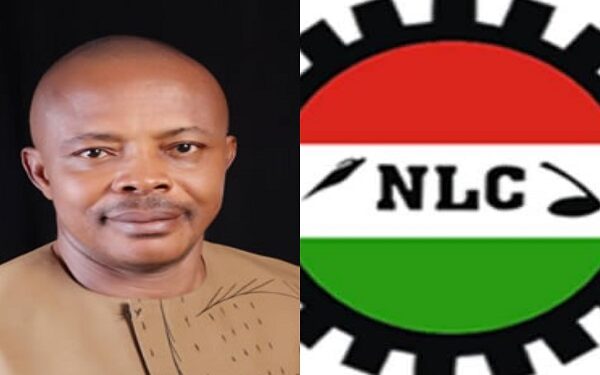
    The Edo State chapter of the Nigeria Labour Congress (NLC) has rejected the five-member caretaker committee recently constituted by the Congress’ National President, Comrade Joe Ajaero.

    In a statement signed by Edo NLC Chairman, Comrade Bernard Egwakhide, and Assistant Secretary, Comrade Omole Osahon, the council described the committee as illegitimate and urged the public to disregard it.

    The state leadership accused Ajaero of attempting to impose Chief Odion Olaye on Edo workers through what it called a contrived caretaker arrangement. It recalled that Olaye had long been rejected by unions in the state.

    “The so-called caretaker committee is orchestrated by Chief Odion Olaye, who once threatened that ‘Edo will burn’ if a certain politician did not win an election. We will not allow him to continue leading the Edo NLC by proxy,” the statement read.

    The Edo council argued that the move undermines the stability of the state’s labour movement and risks inflaming tensions. It stressed that the current leadership under Egwakhide was duly elected after Olaye’s removal by a majority of affiliate unions, adding that industrial relations in the state had been peaceful since then.

    The statement also referenced Ajaero’s past role in forming the United Labour Congress (ULC), accusing him of previously attempting to weaken the NLC and warning against a repeat scenario in Edo.

    “We call on the Federal Ministry of Labour to respect the rights of Edo workers and unions to operate freely, without intimidation or undue interference. Edo workers remain strongly behind the Egwakhide-led council and are prepared to resist any attempt to impose Odion Olaye through the backdoor,” it concluded.

  • Ekiti Gov Reinstates Olatunbosun Days After Cabinet Dissolution

    Ekiti Gov Reinstates Olatunbosun Days After Cabinet Dissolution

    Ekiti State Governor, Biodun Oyebanji, has reinstated Mr. Taiwo Olatunbosun as Commissioner for Information, less than a week after dissolving the state executive council.

    The development was confirmed in a statement by the governor’s Chief Press Secretary, Yinka Oyebode, on Tuesday in Ado-Ekiti.

    According to the recall letter signed by the Secretary to the State Government (SSG), Prof. Habaibat Adubiaro, on August 18, Olatunbosun’s reappointment takes immediate effect.

    Governor Oyebanji had dissolved his cabinet on August 11, asking commissioners and special advisers to hand over to permanent secretaries or the most senior civil servants in their ministries. However, six commissioners—including those in Finance, Works, and Human Capital Development—were retained to ensure stability in critical sectors.

    At the time, Oyebanji explained that the shake-up was intended to inject new energy into governance while aligning with his administration’s “shared prosperity” agenda.

  • Barcelona Stars Dominate Rashford’s Ballon d’Or Predictions

    Barcelona Stars Dominate Rashford’s Ballon d’Or Predictions

    Manchester United forward Marcus Rashford has named three players he believes could win the 2025 Ballon d’Or.

    Rashford, who is spending the season on loan at Barcelona, backed his teammates Lamine Yamal and Raphinha, along with Ousmane Dembélé, as worthy contenders for the prestigious award.

    “[Ousmane] Dembélé, Raphinha, they all deserve it,” Rashford told reporters. “It’s hard to pick one, but they’re all mature and have had a fantastic season. Lamine is so young that he is sure to win it. He’s a top talent, a top player.”

    All three—Yamal, Dembélé, and Raphinha—feature in the 30-man shortlist for this year’s Ballon d’Or, with the winner set to be announced later in the year.

  • VDM Claims Dangote Neglected 22-Year-Old Truck Victim

    VDM Claims Dangote Neglected 22-Year-Old Truck Victim

    Social media activist and commentator, Martins Otse, popularly known as VeryDarkMan (VDM), has accused the Dangote Group of neglecting a 22-year-old lady who was allegedly crushed by one of the company’s truck drivers in Auchi, Edo State.

    VDM, in a video shared via Instagram on Monday, claimed the victim has been receiving treatment at Irrua Specialist Teaching Hospital for nearly a year and has accumulated medical bills exceeding ₦5 million.

    According to him, the victim was on her way to present her project when she was hit by a Dangote truck. He alleged that the company has abandoned her despite the severity of her condition.

    “On reaching Irrua Specialist Teaching Hospital in Auchi, Edo State, we met an abandoned victim of Dangote’s reckless unlicensed driver, a 22-year-old girl, whom was going for her project and was crushed. She has been in the hospital for 11 months with bills of over ₦5 million; Dangote has abandoned her,” he wrote.

    VDM further threatened to disrupt the movement of Dangote trucks in Auchi unless the company takes responsibility for accident victims.

    The Dangote Group has not issued any response to the allegations as of the time of this report.

    This development comes days after Big Brother Naija Season 7 winner, Phyna Otabor, accused the company of negligence after her sister, Ruth, was also hit by a Dangote truck in Auchi. The firm later pledged to cover all of Ruth’s medical expenses.

    Meanwhile, the controversy emerges at a time when Dangote Refinery is preparing to deploy 4,000 new compressed natural gas (CNG) trucks for nationwide fuel distribution. The project, earlier scheduled to begin on August 15, has been delayed, with the Independent Petroleum Marketers Association of Nigeria (IPMAN) citing unresolved truck numbering issues as the cause.

  • INEC: Majority of New Registrants Are Under 35

    INEC: Majority of New Registrants Are Under 35

    The Independent National Electoral Commission (INEC) has revealed that young Nigerians are taking the lead in the ongoing Continuous Voter Registration (CVR).

    According to INEC National Commissioner and Chairman of the Information and Voter Education Committee, Sam Olumekun, over 69,000 Nigerians completed pre-registration within seven hours of reopening the nationwide online portal on Monday.

    He disclosed that 48,033 applicants, or 69.2 percent, were aged between 18 and 34 years, reflecting strong participation from the youth demographic. Gender distribution showed 33,803 men (48.7 percent) and 35,573 women (51.3 percent).

    Olumekun stressed that the online portal is accessible round the clock, while physical registration will commence on August 25 at 811 state and local government offices across the country. Offices will operate weekdays from 9 a.m. to 3 p.m.

    He reiterated that registration is only open to Nigerian citizens aged 18 and above who have not registered previously, while transfers and card replacements will also be processed. Olumekun cautioned that double registration remains unlawful.