


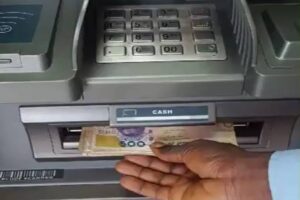
The Central Bank of Nigeria (CBN) has released a draft guideline on the operations of Automated Teller Machines (ATMs), requiring banks to refund customers for failed ATM transactions within a stipulated timeframe.
According to the circular titled “Exposure of the Draft Guidelines on the Operations of Automated Teller Machines (ATMs) in Nigeria”, failed interbank (not-on-us) ATM transactions must be refunded within 48 hours, while on-us transactions should be reversed instantly. Where instant reversal is technically impossible, a manual reversal must be completed within 24 hours.
The circular, signed by Musa Jimoh, Director of the Payments System Policy Department, was released to banks, financial institutions, and payment service providers. The guidelines are open for public consultation, with stakeholders expected to submit feedback within four weeks.
Key Objectives
The draft guidelines aim to:
-
Set minimum standards for ATM deployment, operations, and maintenance.
-
Enhance consumer protection and transaction transparency.
-
Improve access to ATM services in urban and rural areas.
-
Align ATM operations with global best practices and regulatory expectations.
Consumer Protection Measures
ATM deployers are required to:
-
Install surveillance cameras to monitor transactions without recording keystrokes.
-
Place ATMs in secure locations with protective structures and anti-skimming devices.
-
Maintain continuous cash availability, frequent vault replenishment, and online monitoring of cash levels.
-
Provide functional helpdesk contacts, clear transaction receipts, and fully disclosed charges.
Operational and Security Standards
-
Technical faults must be resolved within 72 hours, with customers notified of downtimes.
-
ATM keys must be changed annually, and cash must be issued before returning cards to reduce misuse.
-
Machines must include PIN change functionality, backup power systems, paper disposal bins, and insurance coverage for ATMs and cash.
-
Deployers must maintain a register of all ATMs, including location and serial numbers.
Public Participation
The CBN encourages banks, independent deployers, service providers, and the public to submit comments to improve ATM service delivery, reduce transaction failures, and boost confidence in electronic banking.


