


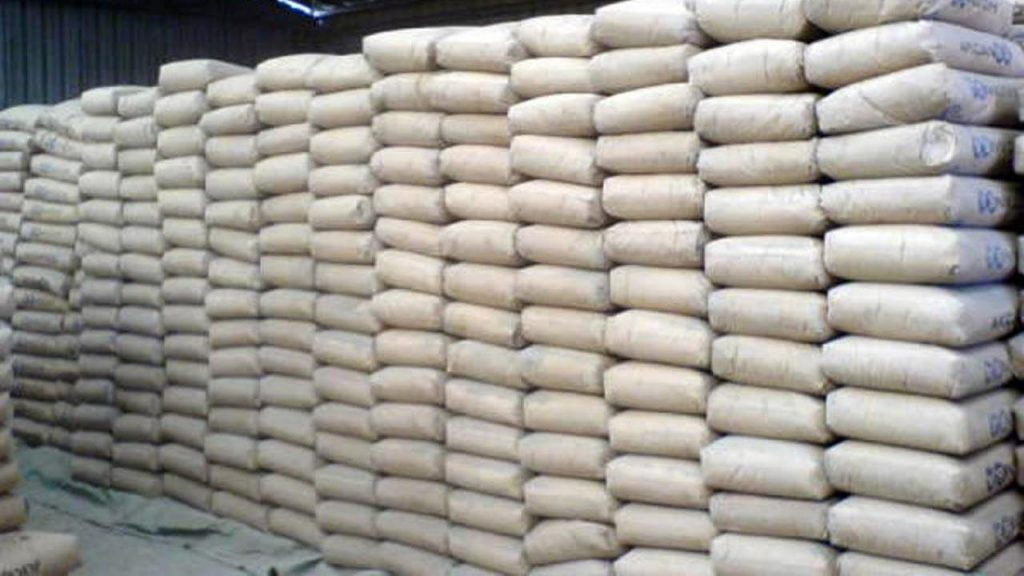
Cement prices across Nigeria have continued to rise sharply, despite earlier commitments by major manufacturers like Dangote and BUA to bring down costs. Consumers report paying between ₦9,500 and ₦12,000 per 50kg bag, a significant jump from the ₦7,800 rate observed in March 2025.
The price hike comes despite a pledge made in May by cement producers to support President Bola Tinubu’s Renewed Hope housing initiative through lower prices. The continued surge has contributed to rising construction costs and a spike in housing rents nationwide.
Industry stakeholders have expressed frustration over the situation. Benjamin Udoka, a concerned citizen, criticized Dangote for failing to mirror its fuel price strategy in the cement sector. “In parts of Abuja, a bag of cement sells for ₦11,000. The government must act to control these prices,” he said.
A former president of the Real Estate Developers Association of Nigeria (REDAN), Aliyu Wamakko attributed the hike to rising demand, lack of price control, and poor engagement between the federal government and manufacturers. He noted that government use of cement for road construction has worsened the supply-demand imbalance.
“Cement should primarily serve the housing sector. Ninety percent of the raw materials are locally sourced, so the price shouldn’t be this high,” Wamakko told newsmen. He urged the government to re-engage manufacturers as it did in March, when prices temporarily fell.
Efforts to reach the Dangote Group and the Federal Competition and Consumer Protection Commission (FCCPC) for comment were unsuccessful. Meanwhile, the National Bureau of Statistics reported that overall inflation and food prices are easing, but housing costs remain high.
However In Abuja, the rent for a one-room apartment in Gwarimpa has reportedly doubled to ₦1.5 million annually. The federal government’s 3,112-unit housing project, launched in February 2024, is yet to be completed. A proposed Senate investigation into the cement price surge has also stalled.


