


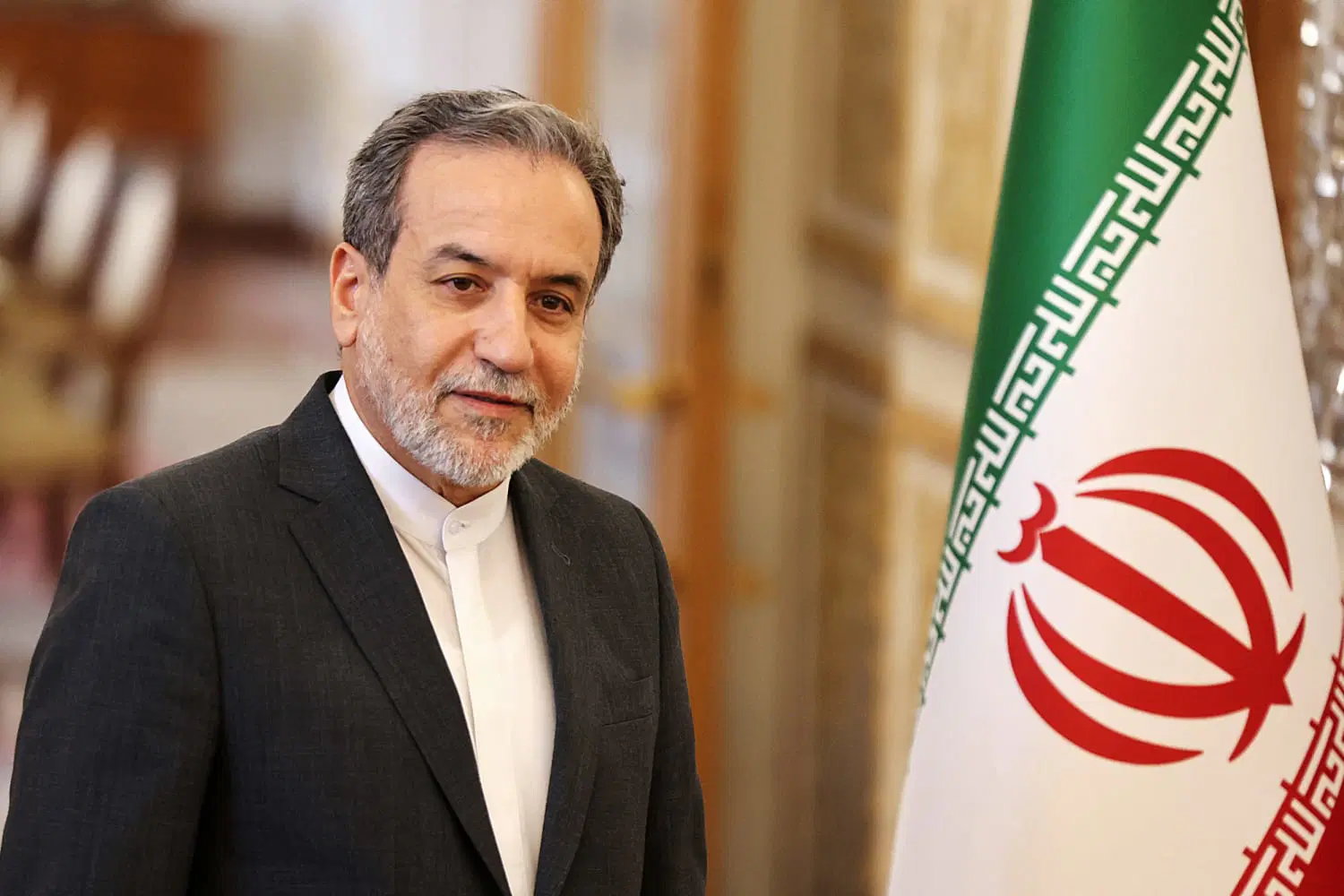
Iran has blamed the United States for the collapse of recent diplomatic talks, as its Foreign Minister, Abbas Araghchi, continues a rapid diplomatic tour involving Russia, Oman, and Pakistan in a bid to revive negotiations.
Speaking in Saint Petersburg ahead of a planned meeting with Russian President Vladimir Putin, Araghchi accused Washington of making “excessive demands” that led to the breakdown of previous discussions.
According to him, “the US approaches caused the previous round of negotiations, despite progress, to fail to reach its goals,” shifting responsibility for the stalled talks away from Tehran.
The diplomatic efforts follow an unsuccessful round of negotiations previously held in Oman, which was also attended indirectly through mediation channels involving Pakistan. Islamabad had hosted earlier discussions between the two sides.
US President Donald Trump, responding to the breakdown, said Iran could reach out directly if it wanted talks, adding that cancellation of envoy visits did not necessarily mean escalation.
Reports from multiple sources suggest that informal backchannel communications are ongoing, with messages allegedly passed through Pakistan outlining Iran’s “red lines,” including nuclear issues and control over the Strait of Hormuz.
Iran’s state-aligned media have also referenced proposals linked to easing tensions in the Strait of Hormuz, a critical global shipping route for oil and gas. However, Iranian authorities, including the Islamic Revolutionary Guard Corps, have insisted they have no intention of lifting what they describe as a strategic blockade.
The ongoing standoff has contributed to volatility in global oil markets, with prices rising amid fears of supply disruption. The United States has also reportedly imposed countermeasures affecting Iranian maritime access in response to the situation.
Meanwhile, the broader regional conflict continues to escalate. In Lebanon, clashes involving Hezbollah and Israeli forces have intensified despite a fragile ceasefire.
Lebanese authorities reported that Israeli strikes in southern areas killed at least 14 people in a single day, while Israel said it lost a soldier during operations in the same region.
Israeli Prime Minister Benjamin Netanyahu defended ongoing military actions, saying they were necessary to counter threats and maintain security under the terms of the ceasefire arrangement.
As diplomatic efforts stall and regional tensions persist, both the Iran–U.S. standoff and the wider Middle East conflict continue to raise global concerns over energy security and geopolitical stability.


