


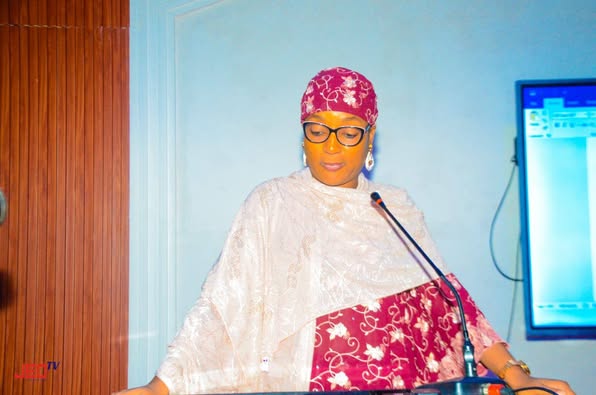
Kwara State is hosting a three-day stakeholder meeting from September 24 to 26, 2025, at the Silver Gate Hotel, aimed at strengthening public health sustainability. The gathering brings together government officials, health experts, and international partners to validate a “Cost of Doing Business” (CoDB) assessment for HIV, Tuberculosis, and Malaria (ATM) programs.
The initiative, coordinated by the National Agency for the Control of AIDS (NACA), UNAIDS, and the Global Fund, addresses declining global donor funding and prepares the state to assume full financial ownership of these health programs.
Dr. Alabi Selim Babajide, Executive Secretary of the Kwara State AIDS Control Agency (KWASACA), noted that the assessment analyzed the state’s systems and program implementation over several weeks to determine the true cost of sustaining services. “We are here to listen to funders who have critically analyzed the data,” he said, adding that the study will ensure a smooth transition to government-led management.
Dr. Yewande Olaifa, Deputy Director at NACA, said the engagement will focus on prioritizing interventions and identifying the resources—human, tools, and commodities—needed for state ownership. “The partners will continue to provide technical support, but we need to move in this direction,” she said, praising Kwara’s progress in TB and malaria programs.
UNAIDS advisor Dr. Murphy Akpu lauded the state’s approach, highlighting that Kwara has already taken direct ownership of TB and malaria programs, unlike many other states where NGOs implement these services. “The positive feedback demonstrates the state’s capacity and willingness to reduce dependency on external support,” he said.
Kwara State Commissioner for Health, Dr. Aminat El-Imam, emphasized the need for greater involvement and ownership at all government levels. “Funding will not automatically increase, so we must focus on efficiency, effectiveness, and better utilization of resources,” she said.
The commissioner also stressed the importance of program integration under a sector-wide approach championed by the Federal Minister of Health, promoting unified reporting, budgeting, and monitoring to eliminate overlaps.
Dr. El-Imam expressed pride in Kwara’s performance as a potential model for other states, citing strong political support from Governor AbdulRahman AbdulRazaq and advocacy by the First Lady, Ambassador Olufolake AbdulRazaq. “Even states with vast resources, like Lagos, can learn from Kwara’s dynamic and efficient model,” she said.
The meeting is part of a broader effort to ensure that Kwara’s HIV, TB, and malaria programs remain sustainable and effective as international funding declines.


