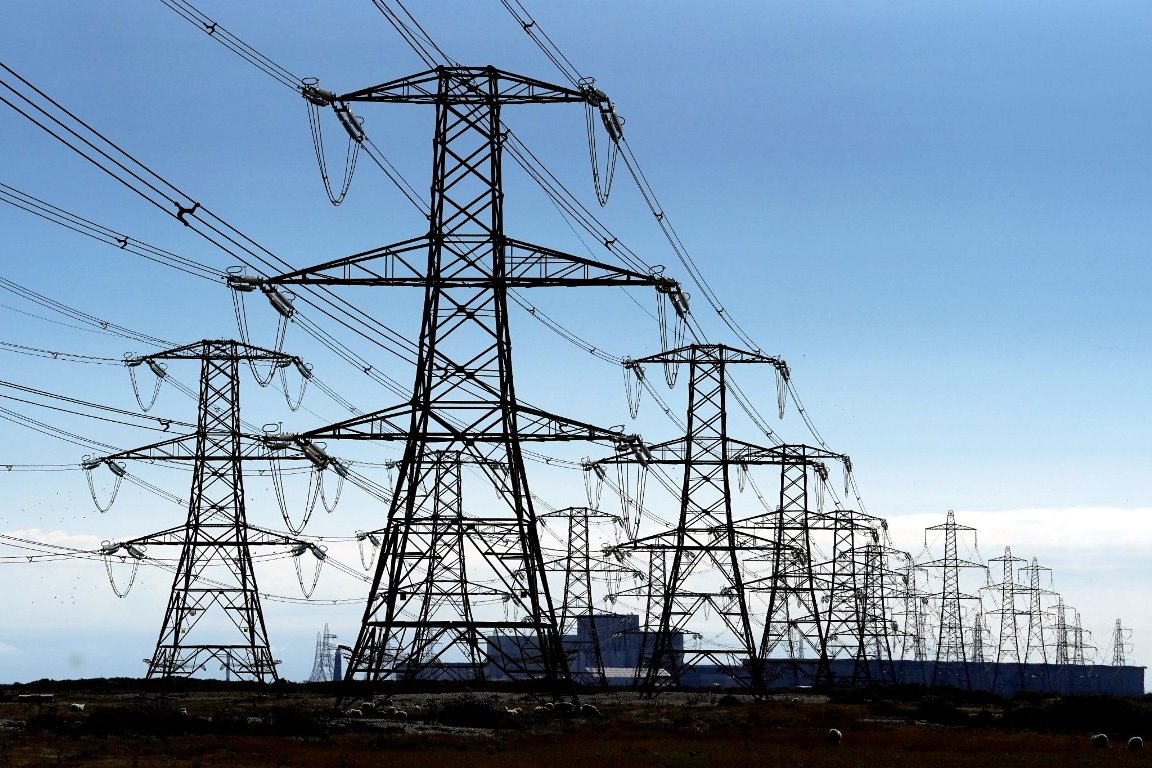
Nigeria’s national power grid suffered another disruption on Tuesday, the second in four days, triggering widespread outages across the country and renewing concerns over the economic impact of persistent power instability, even as the Nigerian Independent System Operator (NISO) described the incident as a partial system disturbance.
The disruption occurred at about 10:48am, cutting electricity supply to distribution companies nationwide as power generation dropped sharply from over 4,000 megawatts, with all DisCos initially recording zero load allocation and several areas plunged into darkness.
In a statement, NISO said the disturbance originated from the Gombe Transmission Substation and spread to Jebba, Kainji and Ayede, causing voltage instability that tripped transmission lines and generating units, leading to a partial collapse before restoration began around 11:11am.
Power supply was gradually restored, with generation rising to about 1,417MW by late afternoon, although major plants such as Egbin, Kainji, Shiroro and Jebba were not fully back on the grid, while DisCos in Abuja, Port Harcourt and Eko confirmed widespread outages.
Business and consumer groups, including the Lagos Chamber of Commerce and Industry (LCCI), warned that recurring grid failures continue to undermine productivity, raise operating costs, erode investor confidence and impose financial burdens on consumers, renewing calls for sustained investment, decentralisation and stronger accountability in grid management.