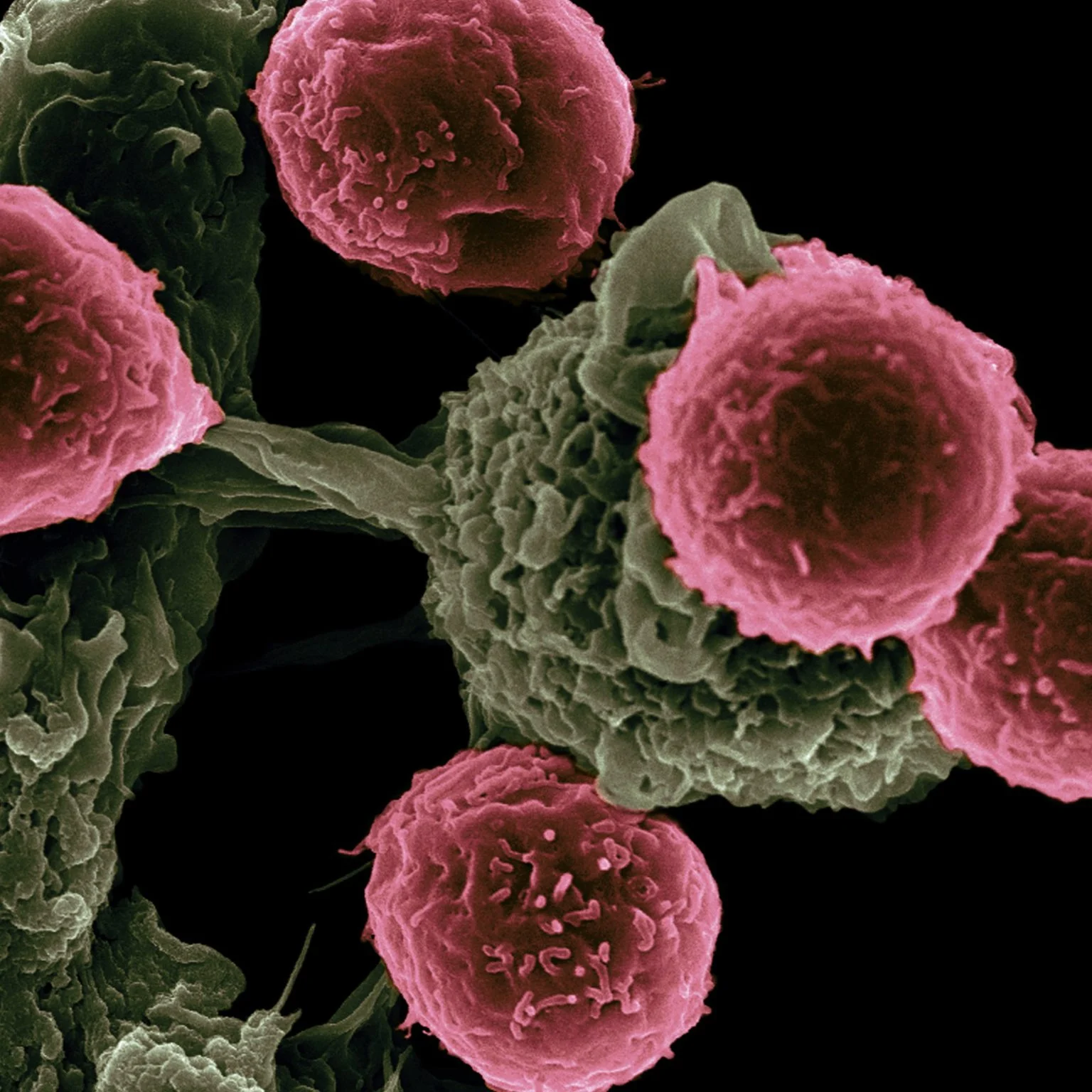
Australian researchers say they have discovered a highly targeted approach to treat myelofibrosis, a rare and serious blood cancer, offering hope for therapies that go beyond symptom management.
The study, conducted by scientists from the South Australian Health and Medical Research Institute (SAHMRI), SA Pathology, and the University of Adelaide, focuses on an immunotherapy-based strategy that directly targets the abnormal blood cells driving the disease.
Published on Monday, January 12, 2026, in the journal Blood, the research marks a shift from traditional treatments that primarily alleviate symptoms such as fatigue, pain, an enlarged spleen, and reduced quality of life.
Currently, there are no therapies that eliminate the abnormal cells responsible for myelofibrosis. The new approach aims to selectively remove these cells while sparing healthy tissue.
The study was co-led by Professor Daniel Thomas, director of SAHMRI’s Blood Cancer Program, and Professor Angel Lopez, Head of Human Immunology at SA Pathology, with contributions from Dr. Denis Tvorogov and Dr. Chloe Thompson-Peach.
Professor Thomas described the findings as a world-first, noting that Type 1 calreticulin mutations respond differently to treatment compared with Type 2 mutations. “Our research shows that by focusing on what makes these cells different, it may be possible to develop treatments that are both more effective and more targeted,” he said.
The team identified two distinct targets for selectively removing the disease-causing cells, using patient samples stored at the South Australian Cancer Research Biobank. Their work highlights the potential of precision immunology—harnessing the immune system to attack only the abnormal cells.
Professor Lopez emphasized the significance of personalized therapies in cancer research. “The future of cancer treatment lies in understanding disease at a molecular and immune level and translating that knowledge into therapies that are potent, long-lasting, and precise,” he said.
While the results are promising, researchers caution that further studies and clinical trials are needed before the therapy can be tested in patients. Efforts are now underway to advance the treatment safely toward clinical application.
Myelofibrosis is a rare blood cancer where scar tissue builds up in the bone marrow, disrupting healthy blood cell production. The condition can cause anemia, fatigue, enlarged organs, infections, and bleeding, with current management focusing on symptom relief, blood count improvement, and, in severe cases, stem cell transplantation.