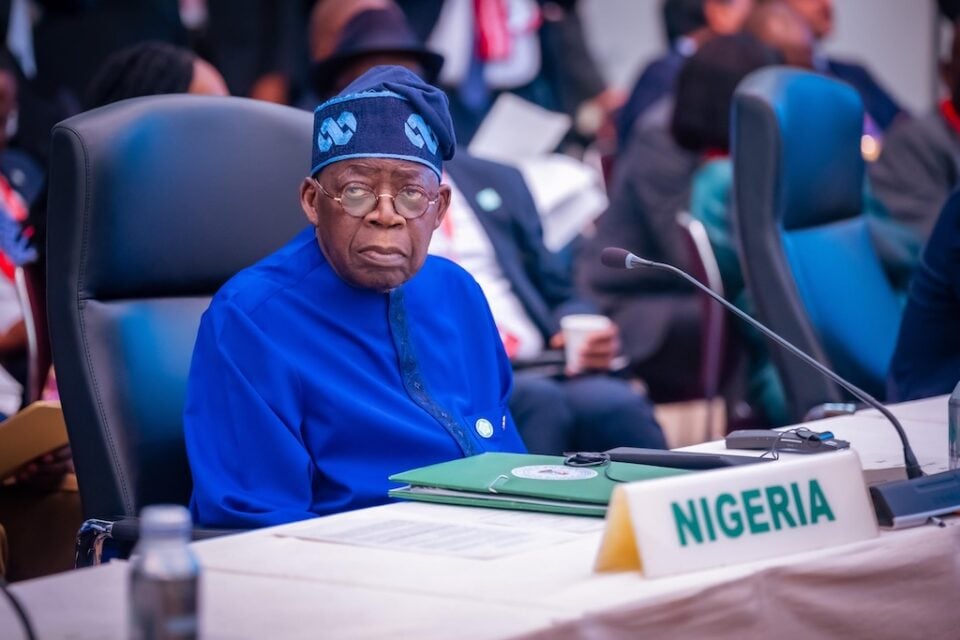
The Presidency has highlighted what it described as measurable improvements in Nigeria’s economy following reforms introduced under President Bola Tinubu.
In a statement on Thursday, Special Adviser to the President on Media and Public Communication, Sunday Dare, said the economy, which he claimed was at “breaking point” before Tinubu assumed office in May 2023, is now showing signs of recovery.
Dare noted that the reforms cut across trade, foreign reserves, taxation, debt servicing, subsidy removal, budget management, and public finances. “Before May 2023, Nigeria was consistently running a trade deficit, importing far more than it exported. Today, the tide has shifted: through reforms, Nigeria now records a trade surplus, easing pressure on external accounts,” he said.
He pointed to the unification of exchange rates as a major step, saying it had narrowed the gap between official and parallel markets and reduced uncertainty. According to him, unmet foreign exchange demand of $7 billion has been cleared, while net reserves have risen from below $4 billion to over $23 billion.
On government revenue, Dare said reforms had increased Nigeria’s tax-to-GDP ratio from under 10 percent to above 15 percent, while debt servicing costs have dropped from 97 percent of revenue to below 50 percent.
He described the removal of fuel subsidy as a “turning point,” freeing resources for investment and ending negative monthly allocations to states. “With reforms, the subsidy has been eliminated, freeing funds for critical investments, while fuel supply is now guaranteed,” he added.
On fiscal discipline, he said the practice of heavy borrowing from the Central Bank had been curbed. “By May 2023, Ways and Means borrowing exceeded ₦30 trillion, undermining stability. The reform process has curtailed this, with tighter fiscal discipline,” Dare stated.
He also reported that oil production, once weakened by theft and mismanagement, had picked up due to renewed security efforts, restoring Nigeria’s main source of revenue.
Dare further argued that reforms had improved investor confidence, creating a more predictable policy environment and attracting capital inflows. Sovereign rating upgrades, he said, reflected this progress.
While acknowledging that inflation remains high, Dare said it had started to moderate, with interest rates stabilising. “Previously, inflation was rising steeply and interest rates were choking businesses. Today, while inflation is still elevated, it is easing,” he noted.