


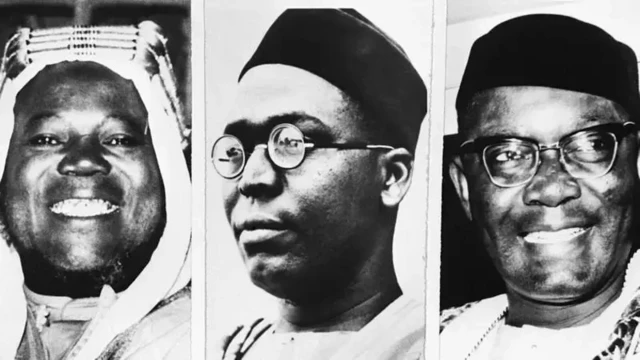
Determining the most influential Nigerian leader of all time is subjective and can depend on various factors like political perspective, historical context, and personal impact. However, several names consistently emerge as highly influential figures in Nigeria’s history.
Key Influential Leaders
1. Obafemi Awolowo
He was one of the greatest Nigerian leaders of all time. Awolowo was a key figure in Nigeria’s independence movement. He served as the Premier of Western Nigeria and was instrumental in shaping the country’s federal structure and promoting economic growth, free healthcare, and education.
2. Nnamdi Azikiwe
Also known as Zik of Africa, Azikiwe was a founding father of Nigeria. He served as the country’s first President and was a strong advocate for unity and self-governance among Nigeria’s diverse ethnic groups.
3. Muhammadu Buhari
A statesman and retired army general, Buhari served as Nigeria’s military Head of State from 1983 to 1985 and later became President from 2015 to 2022. He is recognized for his efforts in combating insurgency, fighting corruption, and diversifying the economy.
4. Olusegun Obasanjo
A prominent statesman and military figure, Obasanjo served as Nigeria’s Head of State from 1976 to 1979 and later as President from 1999 to 2007. He is known for his efforts in economic development, anti-corruption campaigns, and regional peacekeeping. Obasanjo played a pivotal role in Nigeria’s transition from military rule to democracy.
5. Abubakar Tafawa Balewa
He was Nigeria’s first Prime Minister and is remembered for his diplomatic skills and his key role in independence negotiations.
6. Yakubu Gowon
A military Head of State, Gowon led Nigeria during the Nigerian Civil War and is known for creating 12 states in Nigeria, which helped shape the federal structure we know today.
7. Shehu Shagari
He was the first democratically elected President of Nigeria’s Second Republic and is remembered for his efforts toward democratic governance and national unity.
Conclusion
These leaders have significantly shaped Nigeria’s political landscape, economy, and social development, each leaving a lasting legacy. Most people see them as leaders, but I see them as heroes. Not all heroes wear capes.


