Australia and Papua New Guinea are set to sign a new defence pact this week that could allow Papua New Guineans to serve in the Australian military, officials confirmed on Monday. The agreement is viewed as part of Canberra’s effort to counter China’s growing influence in the Pacific.
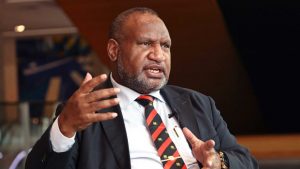
Prime Ministers Anthony Albanese and James Marape will formalize the deal on Wednesday in Port Moresby during events marking Papua New Guinea’s 50th anniversary of independence from Australia.
Australian Defence Minister Richard Marles called the pact “historic,” noting that the Australian Defence Force (ADF) began accepting recruits from New Zealand, Canada, the United Kingdom, and the United States last year. “At the time we said we would have an eye to the Pacific,” he told ABC. “The agreement with PNG contemplates this… we certainly are interested in how we can recruit Papua New Guineans directly into the ADF.”
The new arrangement follows a broader security agreement signed between the two nations in 2023. Australian media reported that PNG nationals serving in the ADF would receive equal pay to other members and could gain a pathway to citizenship.
Speaking in Port Moresby, Albanese described the agreement as an “upgrade in the relationship” that strengthens interoperability and security ties. Addressing questions about sovereignty, he said: “What Australia does is deal with countries with respect, and respect for sovereignty is front and centre of that.”
Papua New Guinea’s Defence Minister Billy Joseph said the pact would reinforce stability in the region. “A secure Papua New Guinea is a secure Australia, and a secure Australia is a secure Papua New Guinea,” he stated.
Located less than 200 kilometres from Australia’s northern border, Papua New Guinea is the largest and most populous nation in Melanesia. The deal comes as China expands its footprint in the Pacific, committing billions of dollars to infrastructure projects across the region.
Several Pacific states, including Solomon Islands, Kiribati, and Nauru, have switched diplomatic recognition from Taiwan to Beijing in recent years. Canberra has responded with stepped-up engagement and new security and development partnerships.
Last week, Albanese visited Vanuatu to advance a separate security deal, but talks stalled after Prime Minister Jotham Napat raised concerns that its wording could limit Vanuatu’s ability to seek infrastructure funding from other countries.