


A scheduled 25-day power outage in Lagos and parts of Ogun State is expected to cost businesses, banks, and manufacturers hundreds of billions of Naira, sparking concerns over economic disruption in Nigeria’s commercial capital.
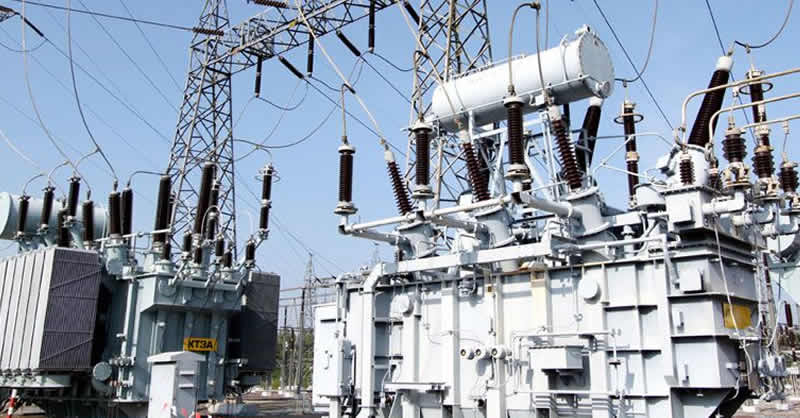
The blackout, announced last Friday by Ikeja Electric and Eko Electricity Distribution Company (Eko DisCo), will run daily from 8 a.m. to 5 p.m. between July 28 and August 21, 2025. Both power firms cited critical maintenance work on the Omotosho–Ikeja West 330kV transmission line by the Transmission Company of Nigeria (TCN) as the reason for the prolonged outage.
The outage will affect large parts of Lagos and the Agbara axis of Ogun State, disrupting energy supply in the country’s most economically active zone.
According to the Commissioner for Energy and Mineral Resources, Mr. Biodun Ogunleye, Lagos-based consumers spend an estimated ₦13 trillion monthly on electricity, underlining the financial weight of the blackout. The Nigerian Electricity Regulatory Commission’s Q1 2025 report showed Ikeja Electric and Eko DisCo topped national revenue collections with ₦101 billion and ₦105 billion, respectively.
The blackout is projected to dent the revenues of the DisCos and intensify the liquidity crisis plaguing Nigeria’s power sector.
In an interview Dr. Muda Yusuf, CEO of the Centre for the Promotion of Private Enterprise (CPPE), warned of major economic fallout.
“The cost of this maintenance exercise will be enormous. Businesses dependent on grid electricity will be forced to switch to diesel or gas, significantly driving up their energy costs,” Yusuf said.
He emphasized that critical sectors like hospitals, supermarkets, hotels, and manufacturers—which operate 24/7—would face severe operational strain.
“Many businesses cannot afford to shut down. With high diesel prices, the shift from grid power to alternative sources will cut deep into profit margins,” he explained.
Yusuf also highlighted the broader economic impact, given Lagos’ status as Nigeria’s financial and industrial hub.
“This power disruption could run into hundreds of billions of Naira in losses. Productivity will be hit hard, and some firms may reduce working hours to manage energy expenses.”
Despite the economic burden, Yusuf welcomed the grid maintenance as a necessary sacrifice to improve national power stability.
“The national grid has long suffered from poor investment and ageing infrastructure, leading to repeated system collapses. Strengthening it is essential, even if the short-term costs are steep,” he concluded.
The TCN has not issued further updates on whether the maintenance schedule could be shortened or whether backup measures will be implemented to ease the impact on affected communities.


