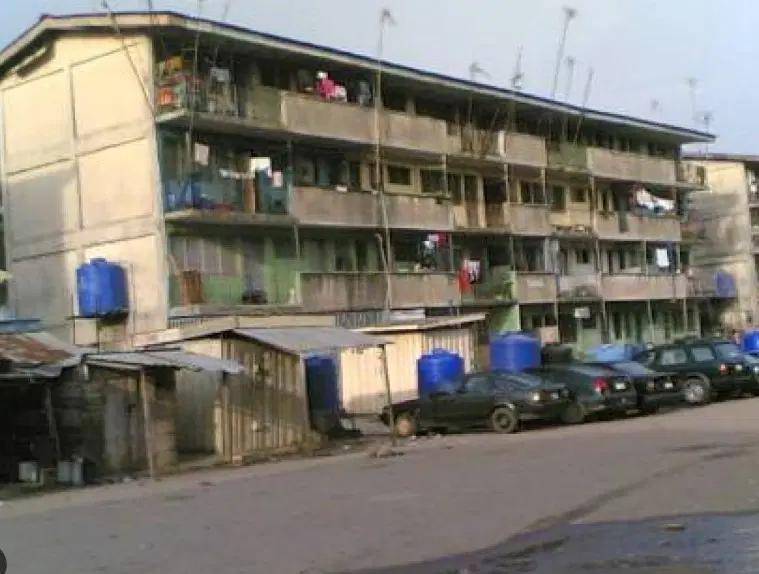
Across Nigeria’s major cities, a deepening housing crisis is forcing families to relocate, downgrade living conditions, or fall into debt as rent prices rise sharply and often arbitrarily. What was once a basic necessity is fast becoming unaffordable for millions, with tenants increasingly unsure if they can sustain accommodation in urban centres.
The crisis is most pronounced in cities such as Lagos, Abuja, Port Harcourt, Kaduna, and Kano, where rent hikes, agent fees, and advance payment demands are displacing residents. Experts estimate Nigeria must build about 550,000 housing units annually over the next decade to bridge a deficit of nearly 15 million homes.
In Lagos, tenants describe a rental market driven by arbitrary increases and weak regulation. Many report sudden rent hikes without notice or property improvements, alongside multiple charges from agents. A two-bedroom apartment that once cost under N1 million can now double in price within a short period, forcing families to either share cramped spaces or relocate to distant suburbs.
Similar patterns are playing out nationwide. In Akure and Ibadan, low-income earners are struggling to cope with steep rent increases, while in Port Harcourt and Abuja, tenants face demands for one to two years’ rent upfront, compounded by agency and legal fees. In some cases, rent has surged by over 100 per cent within a few years, with little or no renovation to justify the increase.
Residents blame a mix of factors, including rising construction costs, inflation, and the activities of unregulated estate agents. Landlords, on the other hand, cite the high cost of building materials and economic pressures as reasons for the increases. However, tenants argue that many hikes are exploitative and disconnected from actual maintenance or upgrades.
Although tenancy laws exist in states like Lagos, enforcement remains weak. Legal redress is often costly and slow, leaving tenants with little choice but to comply or vacate. Authorities, including the Lagos State Real Estate Regulatory Authority, maintain that disputes over excessive rent increases can only be resolved through the courts.
Beyond supply shortages, structural challenges such as limited mortgage access, expensive land acquisition processes, and rapid urbanisation continue to worsen the crisis. With wages lagging behind inflation, many Nigerians are unable to afford even modest housing, pushing more people into informal settlements or shared accommodation.
Experts warn that without urgent reforms—ranging from mass housing development and mortgage expansion to stricter regulation of agents and landlords—the situation could deteriorate further. For millions of Nigerians, the housing crisis is no longer a distant concern but a daily struggle for survival.