Tag: internet fraud

  • Best way to prevent being fall victim of online fraud and scams

    Best way to prevent being fall victim of online fraud and scams

    Best way to prevent being fall victim of online fraud and scams
    Image source: pixabay

    The easiest means fraudsters attack innocent people today is through internet, and such lost fund are rarely recoverable. It is better not to fall prey of such vices than looking for a way out.

    If you are curious on how to avoid online fraud and scams, then here are guidelines you need to follow in other not to fall victim.

    1. Verify Sources Before Engaging

    Always confirm the legitimacy of websites, emails, or social media accounts. You will need to check official contact details, look for verified badges on social platforms, and be cautious of suspicious URLs or poorly designed websites. This means you need to original web addresses of the website you want to visit.

    2. Avoid Sharing Personal Information

    Never provide sensitive information such as your bank account details, PINs, passwords, or identification numbers online unless you are certain of the recipient’s legitimacy. Legitimate organizations will never ask for such information via email, social media, or text.

    3. Use Strong, Unique Passwords

    Protect your accounts with strong passwords combining letters, numbers, and symbols. Avoid using the same password across multiple platforms. Enable two-factor authentication (2FA) where possible and don’t share with anyone.

    4. Be Skeptical of “Too Good to Be True” Offers

    Offers that promise huge returns, free money, or prizes are often scams. Avoid clicking on links in such messages, and never pay upfront for supposed winnings, loans, or investments. Also, avoid get rich offers and promises returns in a short term.

    5. Monitor Financial Accounts Regularly

    Check your bank accounts, mobile wallets, and online payment platforms frequently for unusual transactions. Report suspicious activity immediately to your bank or financial institution.

    6. Avoid Public Wi-Fi for Financial Transactions

    Public Wi-Fi networks can be insecure. Avoid online banking or making payments on public networks. Use a secure VPN if you must access sensitive accounts. Free wifi at airport, cafe or train station, when used for sensitive tasks can pose a threat to you transactions.

    7. Educate Yourself About Common Scams

    Stay updated on prevalent scams in Nigeria, such as phishing emails (cloning a email just as if it’s from original sender), lottery scams, romance scams, fake job offers, and social media fraud. Awareness is one of the most effective protections. So stat up to date!

    8. Report Suspicious Activity

    If you encounter a scam, report it to authorities such as the Economic and Financial Crimes Commission (EFCC), Nigeria Police Force, or your bank. Reporting helps protect others and can prevent further losses.
  • EFCC secures conviction of 11 for internet fraud in Ilorin

    EFCC secures conviction of 11 for internet fraud in Ilorin

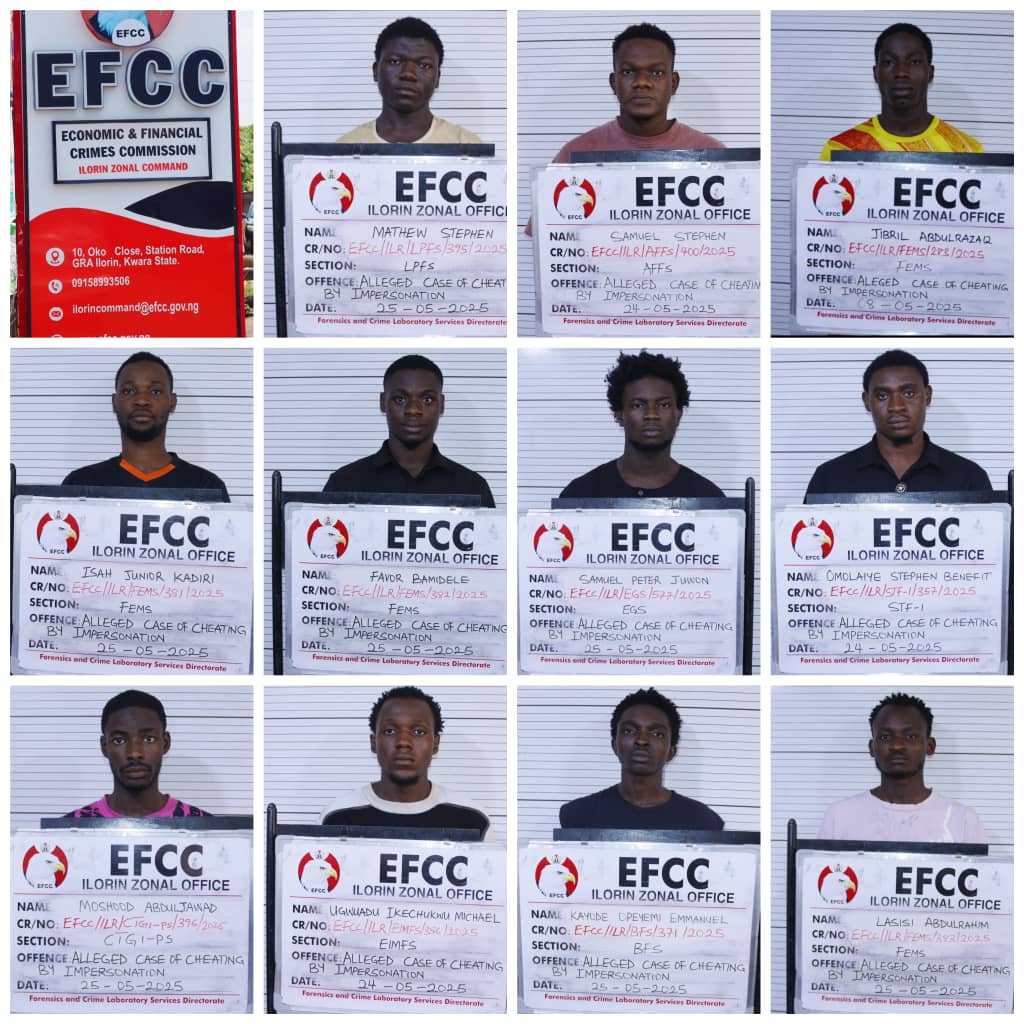
    The Ilorin Zonal Command of the Economic and Financial Crimes Commission (EFCC) has secured the conviction of eleven individuals for internet fraud-related offences. The convictions were delivered by Justices Abimbola Awogboro of the Federal High Court, Ilorin, and Mahmud Abdulgafar of the Kwara State High Court.

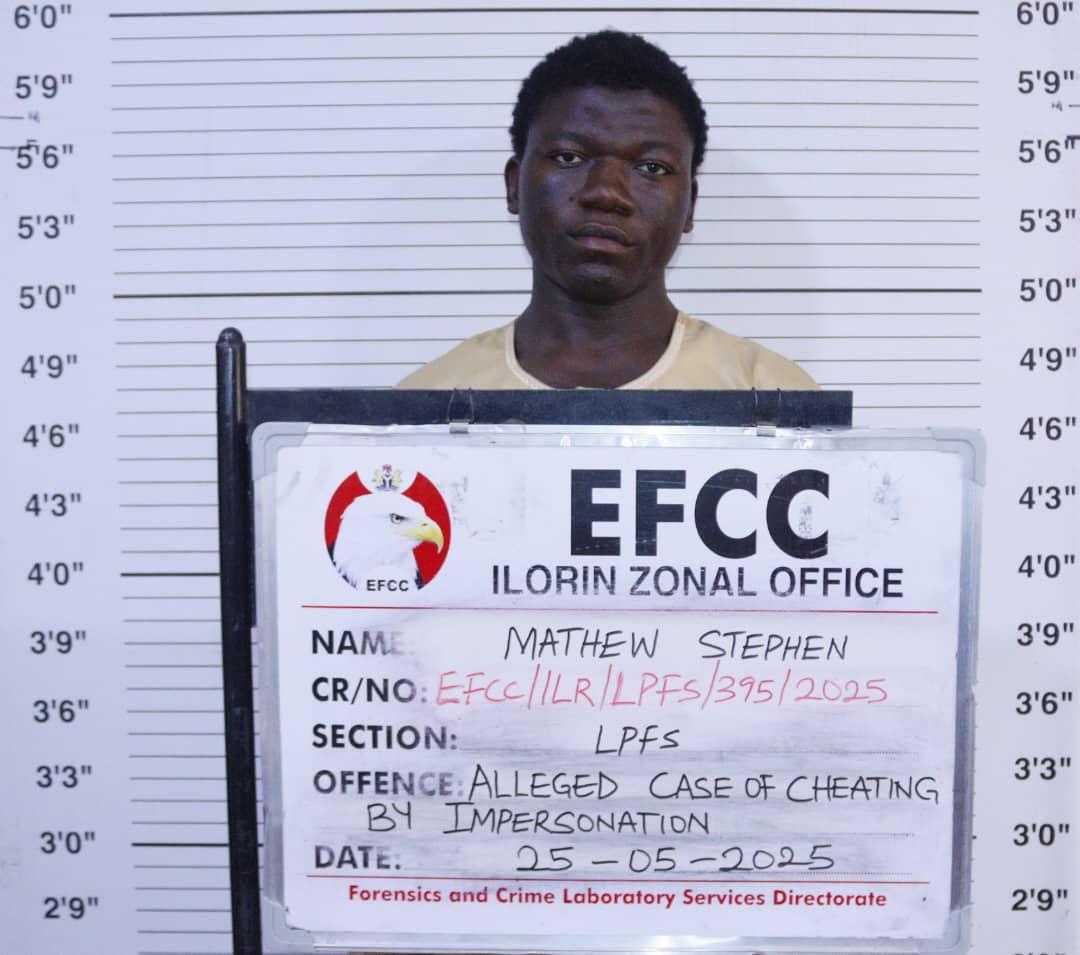
    Among those convicted is 20-year-old electrician Matthew Stephen Yaba, sentenced to nine months in prison without the option of a fine. Yaba was found guilty of impersonation and unlawful retention of N7.38 million, believed to be proceeds of cybercrime. His sentence also included the forfeiture of an iPhone 13 and N200,000 to the federal government.

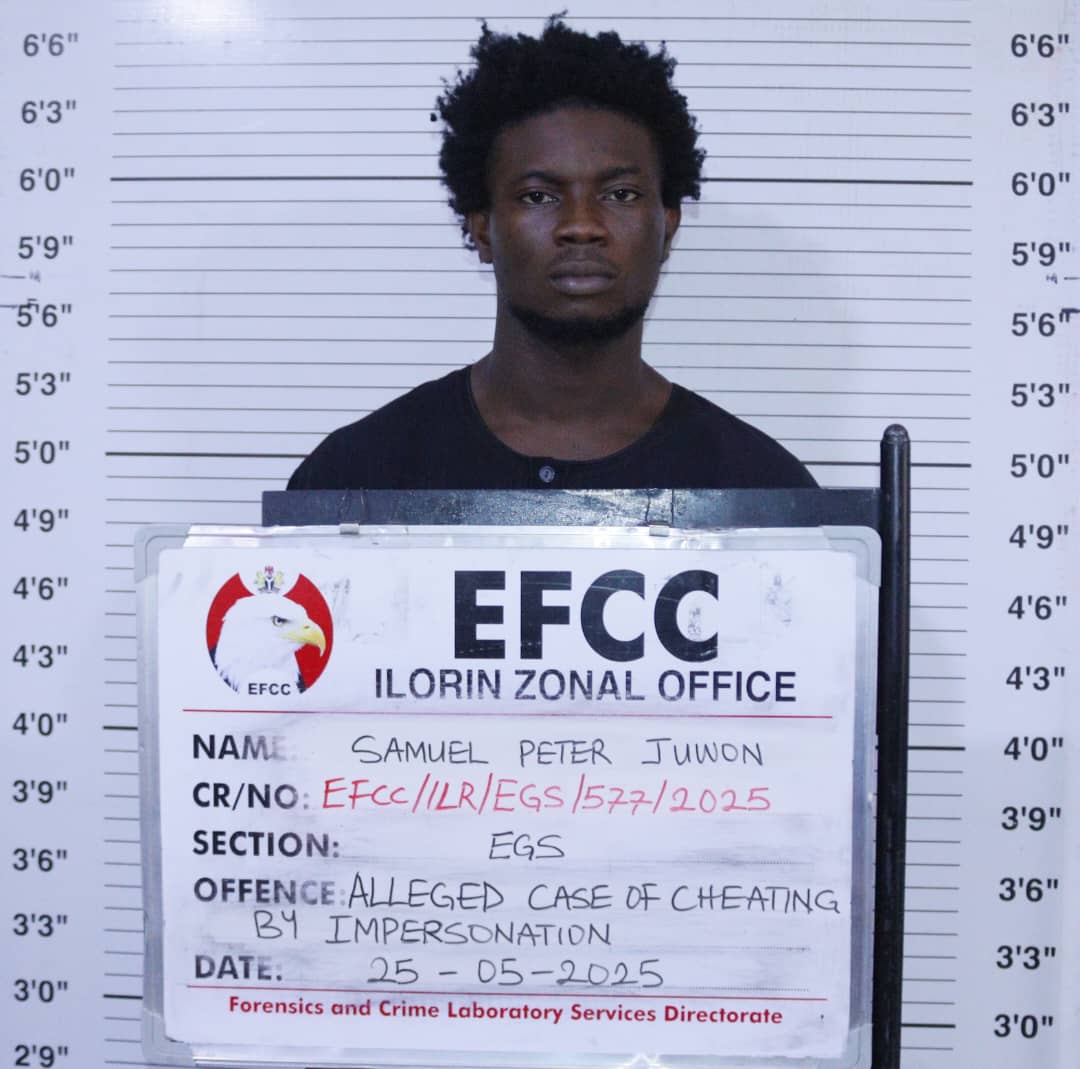
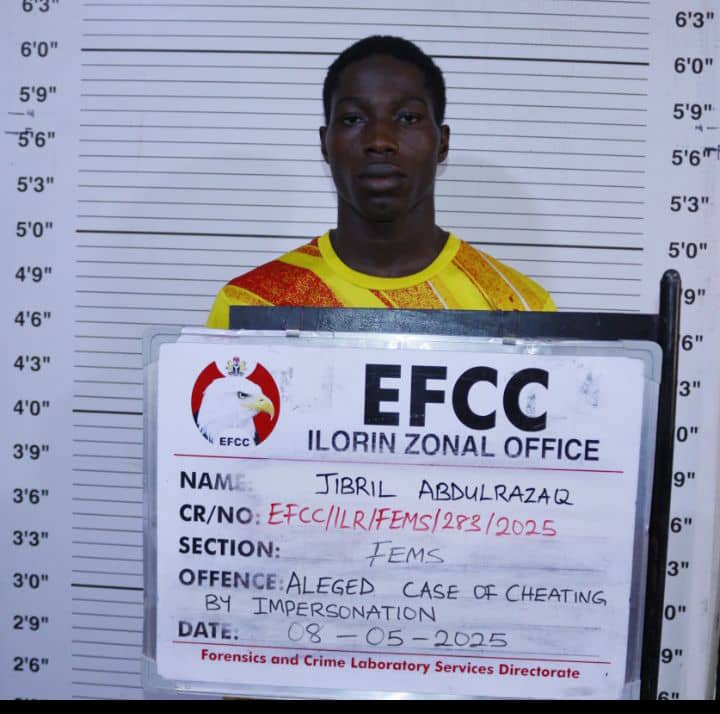
    The other convicts include Samuel Stephen Ayomide, Bamidele Favour Olajide, Isah Kadir, Abdulrasaq Jubril, Samuel Peter Juwon, Omolaiye Stephen Benefit, Kayode Emmanuel Opeyemi, Abdulrahim Lasisi, Ugwuadu Ikechukwu Michael, and Moshood Abduljawad. The offences ranged from identity theft and online impersonation to computer-related fraud and the illegal retention of funds.

    In court, all defendants pleaded guilty to the charges against them. Prosecutors Aliyu Adebayo, Andrew Akoja, and Omolade Ajibola presented evidence including confessional statements, digital devices, and cash restitutions. The courts admitted all items and testimonies.

    Justice Awogboro imposed varying penalties based on the severity of the offences. Ayomide received a nine-month prison term and forfeited $535 and an iPhone 16. Olajide was sentenced to six months and forfeited his iPhone X, Samsung A05, and $50. Kadir was ordered to complete 300 hours of community service and forfeited his Infinix phone.

    Juwon received a 12-month sentence, along with the forfeiture of multiple phones, a laptop, and $500. Benefit got nine months and forfeited N1 million and mobile phones. Opeyemi was jailed for six months and forfeited N500,000 and his phone. Lasisi was sentenced to 150 hours of community service and forfeited a Samsung S9.

    Michael and Abduljawad were sentenced to 12 and six months, respectively. Both forfeited their mobile phones, with Michael returning N500,000 and Abduljawad $190 in restitution.

    Justice Abdulgafar sentenced Jubril to a six-month suspended term, ordering the forfeiture of his iPhone 12 and $180. He was also directed to pay an additional $110 to complete restitution.

    The EFCC stated that the convictions reflect its continued effort to curb cybercrime across the country.

  • Ekiti laundryman jailed 3years over internet fraud in Kwara

    Ekiti laundryman jailed 3years over internet fraud in Kwara

    Justice Muhammed Sani of the Federal High Court sitting in Ilorin on Thursday, October 20, 2022 sentenced one Fapohunda Paul Olasunkanmi, a laundry man from Ado-Ekiti, Ekiti State to three years imprisonment over internet fraud related offences.

    Fapohunda, 23, was arrested in Ado-Ekiti by operatives of the Ilorin Zonal Command of the Economic and Financial Crimes Commission, EFCC on April 26, 2022 with one iphone 6, Macbook Apple Air Laptop and Benz CLA 250. Upon analysis of the phone, the suspect was found to be engaged in dating scam, using fictitious emails while posing to be a white man named Ethan Jones from America to defraud unsuspecting victims. He also engaged in the use of fraudulent email accounts for other nefarious acts including picker through bitcoins, cashapp and gift cards.

    The convict who had no known source of livelihood was found to be in control of N92million naira believed to be proceeds of illegal activities between August 2021 and April 2022.

    He was prosecuted on one count by the anti-graft agency, which he pleaded guilty to.

    The charge reads:

    “That you, Fapohunda Paul Olasunkanmi sometime in the month of August 2018 in Ekiti within the jurisdiction of the Federal High Court did fraudulently impersonate one Ethan Jones you’re your email 53ethanjones53@gmail.com with intent to gain advantage for yourself and you did benefit $930 dollars thereby committed an offence contrary to Section 22 (2) (b) (i) of the Cybercrime (Prohibition, Prevention Act) 2015 and punishable under Section 22 (2) (b) (iv) of the same Act”

    Andrew Akoja who prosecuted the case on behalf of the EFCC reviewed the facts of the case urged the court to convict the defendant as charged.

    In his judgement, Justice Sani agreed with the prosecution counsel that the EFCC had proved its case beyond reasonable doubt and convict the defendant.

    The Judge sentenced Fapohunda to three years imprisonment with option of N400,000 (Four Hundred Thousand Naira Only). The judge ordered that one iphone 12 promax, apple iphone 6, macbook laptop, Benz CLA 250 and sum of $930 (Nine Hundred and Thirty United State Dollars) which he raised as restitution be forfeited to the Federal Government.

  • Nigerians react to arrest of billionaire Obi Okeke by FBI

    Nigerians react to arrest of billionaire Obi Okeke by FBI

    Nigerians react to arrest of billionaire Obi Okeke by FBI
    Obi Okeke

    Following arrest of famous Nigerian US-based billionaire, Obi Okeke, there have been reactions from Nigerians.

    Okeke, the CEO of Invictus Group, was named among 30 under 30 of Africa richest people by Forbes

    He was nabbed by the Federal Bureau of Investigation (FBI) for conspiracy to commit computer fraud.

    Obinwanne Okeke made it into Forbes Africa’s 30 Under 30 List in 2016.

    He was arrested for over $11 million wire fraud after an Office365 account belonging to a steel company’s CEO was hacked.

    The suspect was said to have conspired with several individuals to access the CEO’s computers without authorization.

    Nigerians have taken to Twitter to express their opinion on the matter.

    Some tweets below:

    @Adaolis_a: All these motivational speaker that will tell you to believe in yourself and the world is yours. But they are cooperate fraudsters. Invictus Obi is just one of many. I’m sure they is more to this. Another huge stain to Nigeria.

    @9aufal: Invictus Obi’s bad record must not be attached to Nigeria’s identity as a nation, the western media has a way of using incidences like this (which can happen anywhere) to generalize and stereotype Nigerians as criminals. Honest hardworking Nigerians are a majority!

    @tosinadeda: On this Invictus Obi case, have you noticed that your regular celebs are not coming online to say “Nobody Holy” … Oh well, that shit only applies when the Nigerian Govt tries to nail fraudsters. Nobody wants FBI wahala, Looool Hypocrites.

    @MrLekanAdigun: This Invictus Obi’s story clearly shows that Yahoo Yahoo boys can operate anywhere- even wearing suits. That’s why I hardly believe all these influencers giving Tedx Talks if I can’t trace their sources of income. Most of them do Yahoo as a major side hustle. Run your own race!

    @asemota: This Invictus Obi affidavit shows what I have always been saying that Nigerian 419 fraudsters are basic. Their victims are also basic too. How can a company where CFO can authorize millions of dollars in transfer have no endpoint security and transaction authorization security?

    @Pmoney_Talks: The sad and most painful thing about this Invictus Obi story, is the fact that it is another major stain, and will make it even harder for legit Nigerian remote workers, freelancers, online business persons to get deals and jobs now. The average Nigerian may not understand.

    @Boboye_Ak: Court: How did you catch Invictus Obi as a scammer. FBI: *Publishes 4 page affidavit with facts and some details of the investigation* Court: How did you catch the scammer? EFCC: He had tattoos and iPhone.

    @4eyedmonk: The apprehension of Invictus Obi is hopefully a notification to the gutter mouthed “rich” businessman/men with obviously dubious “wealth” on here. Your time is near.

    @therealdaddymo1: Invictus Obi – He aspired to inspire, then decided to conspire and now he will perspire because plans don backfire and now FBI don acquire the documents whey dem go use enquire. Forbes list membership don expire and shame don catch una whey dey admire. The entire case na wahala.

  • Court sentences 3 to a year imprisonment each for Internet fraud

    Court sentences 3 to a year imprisonment each for Internet fraud

    A High Court sitting in Ilorin on Wednesday sentenced three Internet fraudsters to a year each for fraud.
     
    The convicts, who were arraigned on June 24, were Akeem Mustapha, Abolarin Sunday and Murtala Abdulrasheed were sentenced by Justice Mahmud Abdulgafar after plea bargain agreement with the Economic and Financial Crimes Commission (EFCC).
     

    At the resumed hearing on Wednesday, the Prosecutor, Andrew Akoja told the court that the defendants had entered into a plea bargain agreement with the commission.

    ROYAL NEWS reports that Counsel to the defendants, S.O Babakebe, however, confirmed the plea bargain agreement.
     
    Abdulgafar, while sentencing the convicts, said: “In view of the plea bargain agreement dated June 25, the defendants are hereby sentenced to a year imprisonment.
     
    “The sentence is effective from February 12, when they were arrested, and all the items recovered from them are hereby forfeited to the Federal Government.”.
     
     
    They were tried for fraud by posing as women on the Internet with the intent to defraud unsuspecting Internet users a representation the defendants knew was false.
     
    The prosecutor said the offense contravened Section 95 of the penal code law and punishable under section 324 of the same law.