


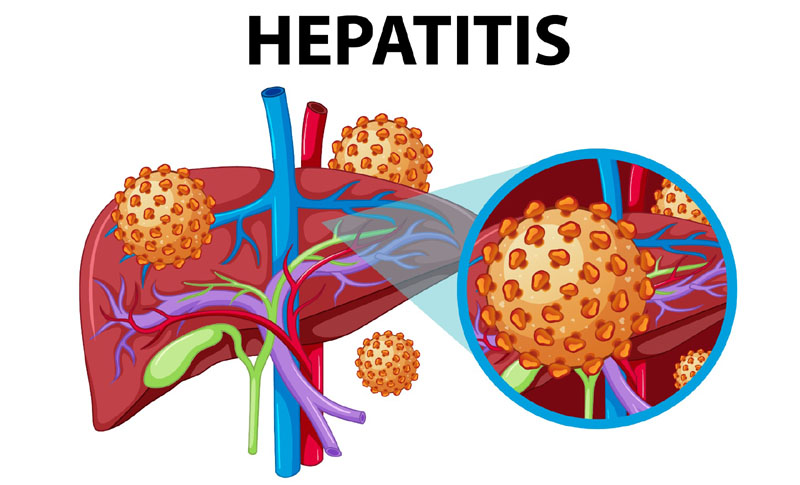
 An estimated 20 million Nigerians—about 10 percent of the population—may be living with hepatitis, with Hepatitis B and C particularly prevalent in Northern Nigeria, according to medical experts.
Dr. Idile Justice, a gastroenterologist at Garki Hospital, Abuja, raised the alarm during an outreach programme held to commemorate World Hepatitis Day 2025, themed “Let’s Break It Down.” He noted that although hepatitis is manageable, it remains a leading cause of liver cancer and could be fatal if not detected early.
Dr. Justice explained that the B and C strains of the virus are primarily transmitted through exposure to infected blood and the use of contaminated sharp objects. He emphasized that over 60 percent of liver-related diseases and cancers are linked to these hepatitis variants.
He urged Nigerians to get tested and vaccinated as basic preventive measures. Risky practices such as sharing sharp instruments, using unscreened blood for transfusions, and getting tattoos with unsterilized tools were highlighted as common transmission routes.
The outreach was organized by Nisa Garki Hospital in collaboration with the Lehi Foundation, as part of efforts to raise public awareness and offer free testing and vaccination to the community. The Medical Director of Nisa Garki Hospital, Dr. Kenneth Ityo, stressed that hepatitis remains an under-recognized health threat despite its potential to cause chronic illness and death.
“This intervention is free, and we are conducting testing both at the hospital and in Garki Village. Our aim is early detection and prevention through vaccination,” Dr. Ityo said. “Vaccination is the first step. The second is early diagnosis—if we identify it early, patients can receive appropriate care.”
He added that the campaign, part of the hospital’s corporate social responsibility, is also reaching residents in surrounding suburbs of the Federal Capital Territory.
Some beneficiaries of the program welcomed the initiative, saying it would enable them to know their hepatitis status and take preventive steps.
World Hepatitis Day is observed annually on July 28 to raise awareness and support those living with the disease. According to global health data, over 70 million people in Africa are infected with chronic Hepatitis B or C, yet fewer than 10 percent have been diagnosed or treated.


