


The Nigerian Economic Summit Group (NESG) says Nigeria has emerged from a period of acute economic crisis, projecting a 5.5 per cent growth rate for 2026 as recent stabilisation measures begin to yield results.
The outlook was unveiled on Thursday at the launch of the NESG’s 2026 Macroeconomic Outlook, titled “Consolidating Economic Stabilisation Gains: Pathway to Sustainable Growth in Nigeria.” The group also forecast a rise in foreign reserves to $52 billion.
However, NESG cautioned that the next 18 months would be critical, warning that failure to consolidate reforms could trigger a policy reversal and stall economic recovery.
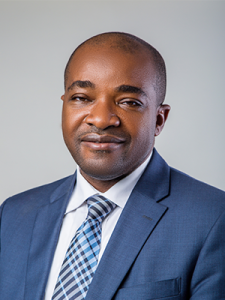
Opening the event, NESG Chairman, Niyi Yusuf, described recent reforms as necessary but incomplete, noting that Nigeria had just emerged from “one of the most disruptive adjustment periods in its recent economic history.”
“Stabilisation alone does not equate to prosperity,” Yusuf said, adding that growth remains modest and uneven, driven by a narrow set of sectors with limited impact on jobs and household incomes.
He stressed that the focus must now shift to consolidating gains and translating them into sustainable and inclusive growth, warning that policy inconsistency could lead to reform fatigue.
NESG Chief Economist, Dr Olusegun Omisakin, said Nigeria was no longer in a crisis phase, providing an opportunity to optimise recent gains and accelerate growth.
He projected GDP growth of 5.5 per cent in 2026, inflation of about 16 per cent for the year, and foreign reserves rising to $52 billion, adding that inflation should be driven to single digits by 2029.
Omisakin warned that many countries experience economic reversals about 18 months after stabilisation if reforms are not consistently implemented, citing examples from Ghana and Brazil.
To achieve the growth target, he called for a stronger focus on productive sectors, particularly agriculture and manufacturing, noting that a well-managed consolidation process could lift manufacturing growth to between 6 and 8 per cent.
He urged the private sector to hold government accountable for reform implementation and called on authorities to pursue the consolidation agenda with discipline and transparency, saying Nigeria must sustain the momentum to secure long-term growth.


