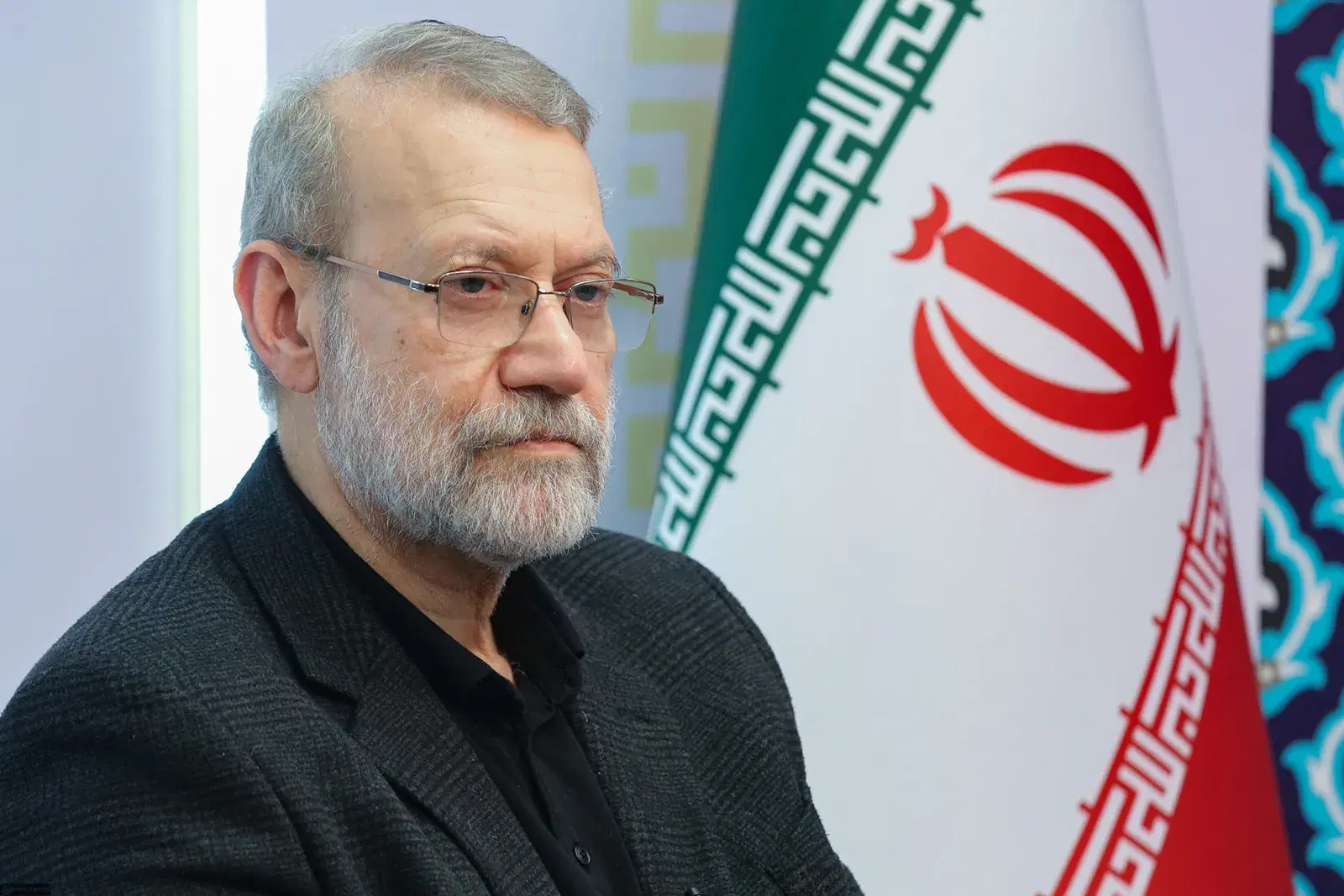
Iran will hold a funeral Wednesday for its top security official, Ali Larijani, after he was killed in an Israeli airstrike, vowing revenge with a wave of missile attacks targeting Israel. The strikes killed two people near Tel Aviv and prompted Gulf nations to intercept rockets and drones aimed at military and US installations.
The funerals for Larijani and another senior figure, Gholamreza Soleimani, are scheduled to start at 1030 GMT in Tehran, according to Iran’s Fars and Tasnim news agencies. Their deaths were announced Tuesday.
Larijani was the most prominent Iranian figure killed since Israeli and US attacks on February 28, which killed Ali Khamenei and triggered widespread conflict across the Middle East. Iranian army chief Amir Hatami described the response to Larijani’s assassination as “decisive and regrettable.”
In addition to missile strikes on Israel and Gulf states, Iran has disrupted global oil markets by threatening the Strait of Hormuz, a critical oil transit route. Iranian Foreign Minister Abbas Araghchi warned that the global effects of the conflict “have only just begun and will hit all.”
The United States responded by dropping several 5,000-pound bombs on fortified Iranian missile sites along the coast, aiming to secure international shipping routes through Hormuz. President Donald Trump expressed frustration that US allies were not assisting in escorting tankers but asserted that the US military could act independently.
Iran’s Revolutionary Guards vowed further retaliation, calling Larijani’s death a source of “honour, power and national awakening against the front of global arrogance.” Meanwhile, Turkey condemned the targeted killings as “illegal activities outside the normal laws of war.”
Israel, however, declared it would target the new Iranian supreme leader, Mojtaba Khamenei. Prime Minister Benjamin Netanyahu reiterated calls for an end to the Islamic Republic, while military spokesman Brigadier General Effie Defrin confirmed plans to track and neutralize the new leader.
The attacks have already caused casualties in multiple countries. In Israel, two people died near Tel Aviv following the missile barrage. In Lebanon, Israeli strikes in central Beirut killed at least six people. Iran-backed Hezbollah has also been active, firing rockets into Israel.
Elsewhere, an Iranian projectile landed near Australia’s Middle East military headquarters in the UAE, and Saudi Arabia intercepted a ballistic missile near Prince Sultan Air Base, which hosts US troops. The region remains on high alert as tensions escalate further.