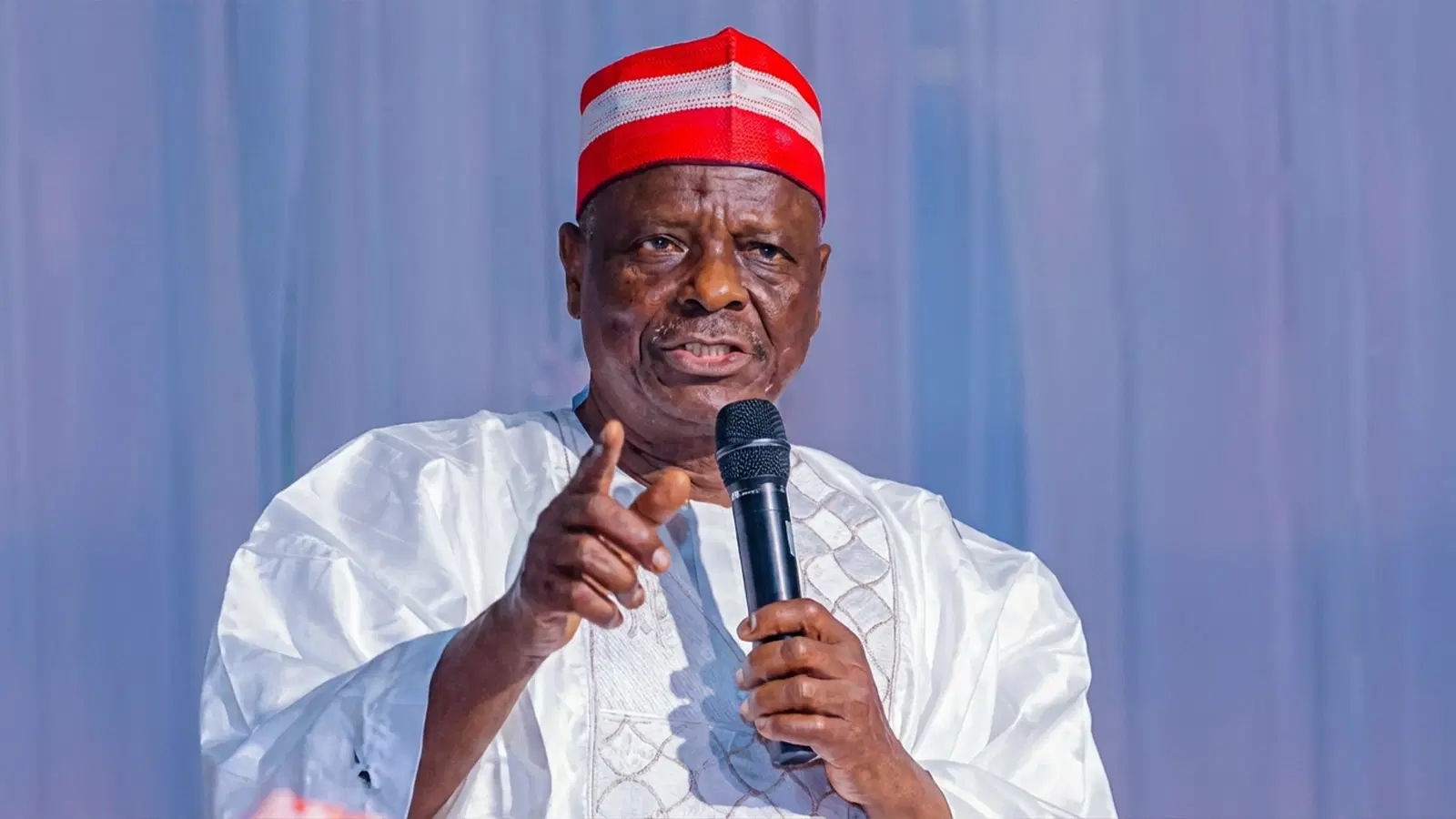
 A chieftain of the Nigeria Democratic Congress, Rabiu Kwankwaso, has said he and his supporters received no political reward after helping former President Muhammadu Buhari win the 2015 presidential election.
Speaking during an interview on Arise TV on Monday, Kwankwaso said he contributed nearly two million votes to Buhari’s victory but claimed neither he nor his political base benefited from the administration.
“I worked so hard. We brought about 1.9, almost 2 million votes. But as politicians, we were not recognised,” he said.
“We put our lives even on the line at that time. But unfortunately, we could not see any benefit either as individuals or the constituencies that we represented.”
Kwankwaso said frustration with successive governments had increased calls for political change, adding that many Nigerians were now supporting the NDC following his defection alongside Peter Obi on May 3.
The former Kano governor also defended the NDC’s decision to zone its 2027 presidential ticket to the South, arguing that the controversy surrounding power rotation began after the death of former President Umaru Musa Yar’Adua in 2010.
“We believe the best way to go now is to take it to the south so that we can eliminate the confusion,” Kwankwaso said.
“The confusion that emanated from the death of our brother, our friend, Umar Musa Yar’adua, actually introduced confusion into the system.”
According to him, the party decided that after Buhari’s eight-year tenure, power should remain in the South in line with its interpretation of the zoning arrangement.
Kwankwaso, however, stressed that competence and commitment should matter more than regional considerations in choosing Nigeria’s next president.
“What is key now is not presidency from the north or south but quality leadership — people who are enthusiastic, determined and committed to giving the country the leadership it deserves,” he added.
He also urged politicians to embrace consensus rather than division, saying national progress depends on capable leadership rather than ethnic or regional interests.