


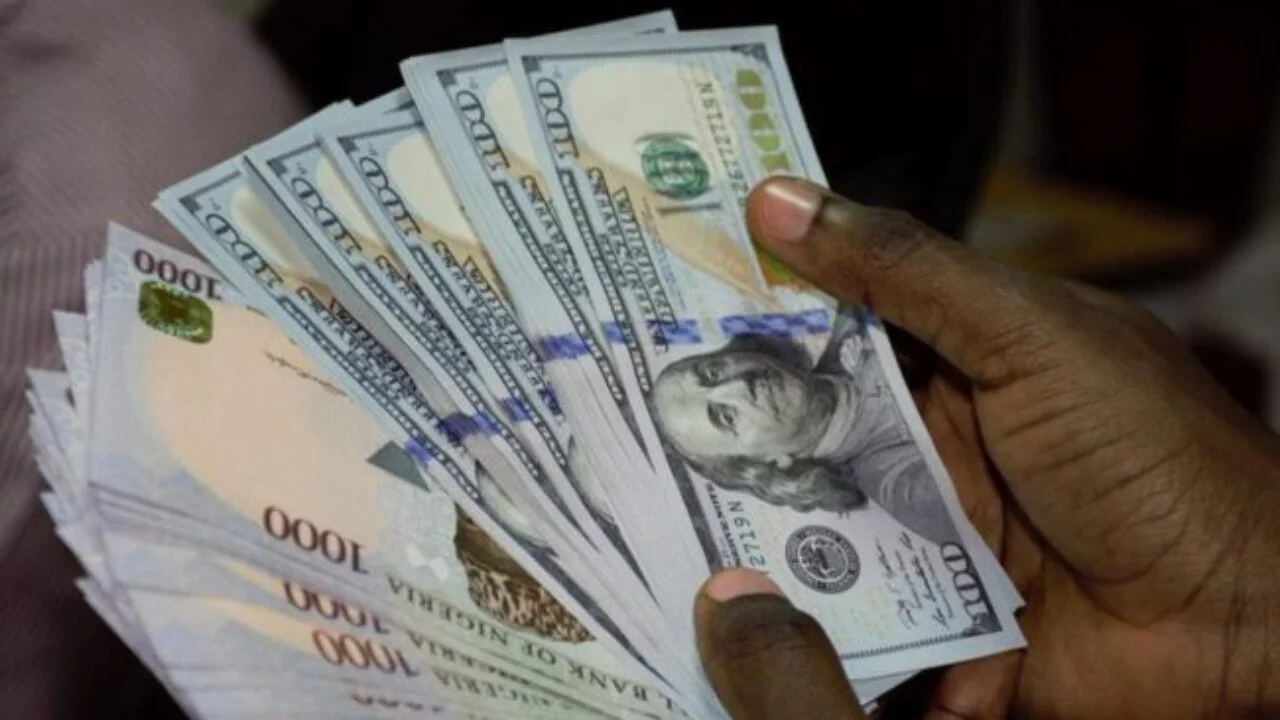
The Nigerian Naira remained relatively stable against the US Dollar at the start of the trading week, reflecting the continued impact of recent policy reforms by the Central Bank of Nigeria. Both the official Nigerian Foreign Exchange Market (NFEM) and the parallel market showed signs of improved balance, with reduced volatility compared to previous months.
At the official market, the Naira traded around ₦1,356.74 per Dollar, maintaining a steady range after fluctuating between ₦1,344 and ₦1,370 in mid-March. Analysts attribute this stability to the introduction of the Electronic Foreign Exchange Matching System (EFEMS), which has enhanced transparency, improved price discovery, and minimized speculative trading pressures.
In the parallel market, the Naira traded between ₦1,410 and ₦1,430 per Dollar, still at a premium but with a narrower gap compared to past periods. The reintegration of licensed Bureau De Change operators into the official system has boosted retail foreign exchange liquidity and reduced reliance on the informal market.
Nigeria’s broader economic fundamentals also support the currency’s stability, with external reserves hovering around $50 billion and oil production averaging 1.46 million barrels per day. Strong global oil prices have further strengthened foreign exchange inflows, providing additional support for the Naira.
Looking ahead, the outlook remains cautiously optimistic as the Monetary Policy Committee maintains tight monetary policy to curb inflation, which has eased to 15.10%. Additionally, the successful recapitalization of major banks ahead of regulatory deadlines signals increased confidence in the financial system and its ability to sustain exchange rate stability.


