


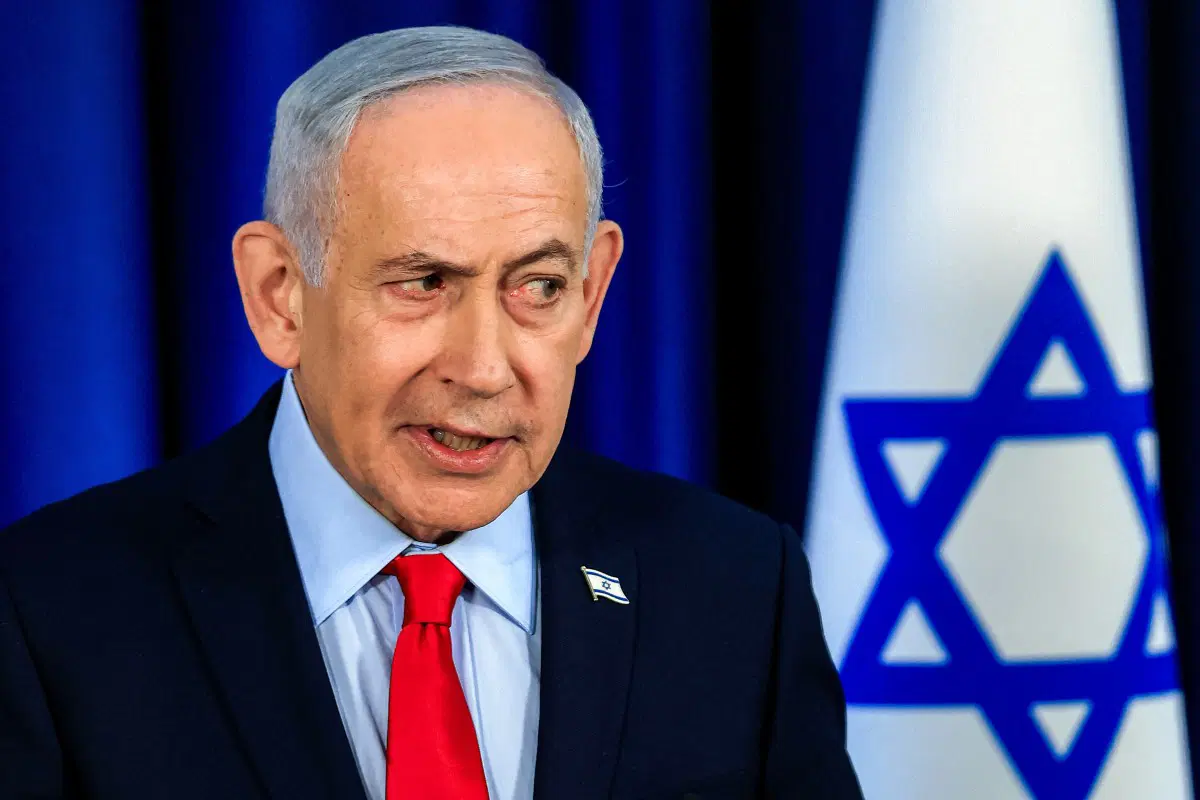
 Israeli Prime Minister Benjamin Netanyahu has declared that Iran is being “decimated” in the ongoing war involving Israel and the United States, as escalating attacks on Gulf energy infrastructure send shockwaves through global oil markets.
Speaking at a press conference, Netanyahu said Iran’s military and nuclear capabilities have been severely weakened, claiming the country can no longer enrich uranium or produce ballistic missiles. He also suggested internal instability in Tehran, stating it is unclear who currently holds power following the reported killing of senior leadership figures. “We are winning, and Iran is being decimated,” he said, adding that the war could end sooner than expected.
The conflict, which began on February 28, has intensified in recent days, with Iran launching retaliatory strikes on key energy facilities across the Gulf. Major النفط installations in Qatar, Saudi Arabia, and Kuwait have been targeted, raising fears of prolonged disruption to global energy supply. Iran has also tightened its grip on the strategically vital Strait of Hormuz, a critical route for global oil shipments.
The attacks have rattled global markets, with oil prices surging sharply. Brent crude briefly jumped to $119 per barrel before easing to around $110, while European gas prices spiked significantly following damage to Qatar’s Ras Laffan gas complex. Analysts warn that continued strikes on energy infrastructure could lead to sustained volatility and higher fuel prices worldwide.
Despite growing international concern, there is no clear timeline for ending the conflict. US President Donald Trump said the war would continue until key objectives are achieved, while ruling out immediate plans for ground troop deployment. Meanwhile, European leaders, including Emmanuel Macron, have called for urgent ceasefire talks to prevent further escalation and economic fallout.
As tensions rise, countries including Britain, France, Germany, and Japan have expressed concern over the security of global oil supply routes and pledged efforts to ensure safe passage through the Strait of Hormuz. With no ceasefire in sight and continued attacks on critical infrastructure, the conflict is expected to keep global energy markets on edge and deepen economic uncertainty worldwide.


