


Nigeria’s President, Asiwaju Bola Tinubu, has approved the establishment of a Presidential Committee on Fiscal Policy and Tax Reforms.
Dele Alake, Special Adviser on Special Duties, Communications and Strategy, made this known in a statement on Friday.
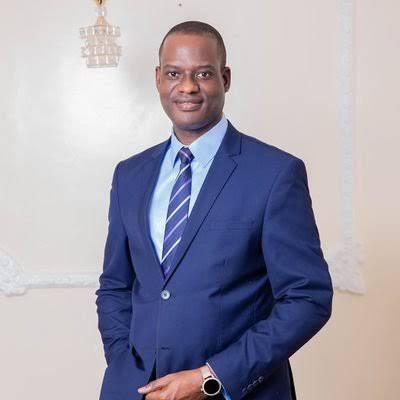
The committee will be chaired by Fiscal Policy Partner and Africa Tax Leader at PriceWaterhouseCoopers (PwC), Mr. Taiwo Oyedele.
It will comprise experts from both the private and public sectors and have responsibility for the various aspects of tax law reform, fiscal policy design and coordination, harmonization of taxes, and revenue administration.
Special Adviser to the President on Revenue, Mr. Adelabu Zacch Adedeji, explained that President Tinubu recognizes the importance of a sound fiscal policy environment and an effective taxation system for the functioning of the government and the economy.
”Nigeria ranks very low on the global ease of paying taxes while the country’s Tax to GDP ratio is one of the lowest in the world and well below the African average.
”This has led to an overreliance on borrowing to finance public spending which in turn limits the fiscal space as debt service costs consume a greater portion of government revenue, annually resulting in a vicious cycle of inadequate funding for socio-economic development.
”While some incremental progress has been recorded over the years, the outcomes have not been transformative enough to change the narrative,” he said.
Adedeji outlined the key challenges in Nigeria’s tax system to include multiple taxes and revenue collection agencies, fragmented and complex tax system, low tax morale, high prevalence of tax evasion, high cost of revenue administration, lack of coordination between fiscal and economic policies, and poor accountability in the utilization of tax revenue.
The establishment of this committee reflects President Tinubu’s commitment to addressing these challenges and bringing about transformative reforms in fiscal policy and taxation.
The committee’s primary objective is to enhance revenue collection efficiency, ensure transparent reporting, and promote the effective utilization of tax and other revenues to boost citizens’ tax morale, foster a healthy tax culture, and drive voluntary compliance.
These efforts will not only improve Nigeria’s revenue profile but also create a more conducive and internationally-competitive business environment.
”Our aim is to transform the tax system to support sustainable development and achieve a minimum of 18% Tax to GDP ratio within the next 3 years without stifling investment or economic growth.
”It should be noted that this committee will not only advise the government on necessary reforms, but will also drive the implementation of such recommendations in support of the comprehensive fiscal policy and tax reform agenda of the current administration,” the SA on Revenue added.


