


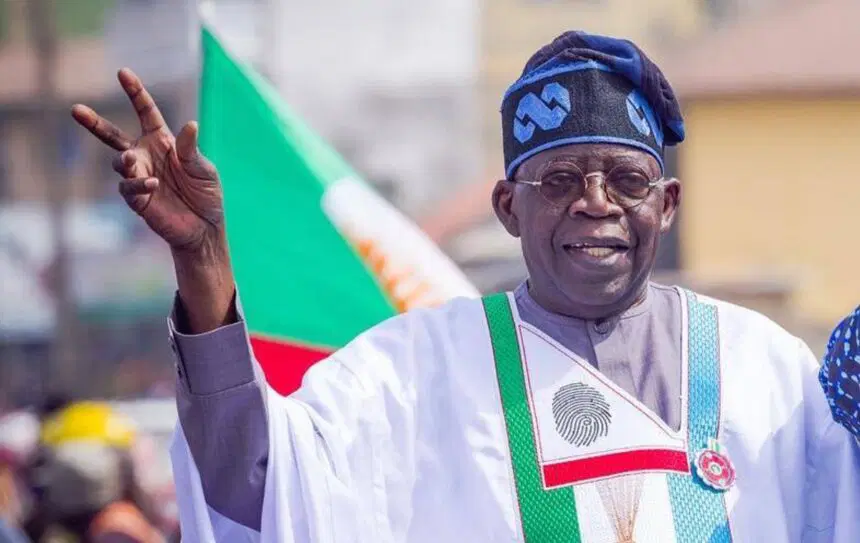
 President Bola Ahmed Tinubu introduced sweeping reforms in Nigeria’s oil and gas sector aimed at improving transparency, attracting investment, and boosting government revenue, but the industry continues to grapple with deep-rooted structural challenges.
Shortly after assuming office, Tinubu signed a series of executive orders that overhauled fiscal and operational frameworks in the petroleum industry. The reforms introduced incentives for deepwater and gas projects, streamlined contracting processes, and directed that all government petroleum revenues, including royalties and profit oil, be paid directly into the Federation Account.
The administration also removed the deduction powers previously exercised by the NNPC Limited and suspended management and frontier exploration fees in a bid to improve fiscal transparency.
To encourage investment, the government introduced tax incentives for non-associated gas, midstream, and deepwater projects, while compressing contracting cycles in the petroleum sector to six months to improve ease of doing business.
In March 2026, the government established the Presidential Petroleum Reform Task Force to coordinate the next phase of reforms and attract fresh capital into the sector.
Despite these measures, the reforms coincided with a major divestment wave by international oil companies. Major operators including Shell plc, Eni, TotalEnergies, and ExxonMobil reduced their exposure to Nigeria’s onshore and shallow-water assets, selling operations to indigenous firms.
Local companies such as Oando Plc and Renaissance Africa Energy emerged as key buyers, marking a significant shift in ownership within Nigeria’s upstream sector.
Industry analysts say indigenous operators may be better positioned to manage community relations in the Niger Delta, although concerns remain about financing, environmental remediation, and operational efficiency.
The administration also recorded progress in domestic refining following increased crude oil supply to the Dangote Petroleum Refinery. The refinery’s growing operations are expected to reduce Nigeria’s dependence on imported petroleum products and support exports to other African countries.
However, Nigeria’s oil production and exploration activities remain below expectations. Data from the Organization of the Petroleum Exporting Countries showed that the country continued to struggle to meet its 1.5 million barrels per day production quota despite slight improvements in output.
OPEC data also revealed declining rig counts and weak exploration activity, reflecting reduced upstream investments and operational challenges.
Oil theft, pipeline vandalism, and illegal refining activities in the Niger Delta remain major obstacles to growth in the sector. Industry stakeholders say the persistent insecurity continues to discourage investment and increase production costs.
Nigeria’s gas sector also recorded improved production and utilisation levels during the period, according to the Nigerian Upstream Petroleum Regulatory Commission. However, gas flaring remains a major concern, with more than 203.9 billion standard cubic feet of gas reportedly flared in 2025 due to inadequate infrastructure and operational limitations.
In the downstream sector, the removal of fuel subsidies transformed the petroleum market from a heavily regulated system to a market-driven model. While fuel supply improved and long queues reduced, petrol prices surged sharply, worsening inflationary pressures on consumers and businesses.
The operational launch of the Dangote Refinery marked a major milestone for domestic refining, but private marketers still face difficulties accessing foreign exchange for fuel imports, leaving the NNPC as the dominant importer and supplier.
Although the Tinubu administration’s reforms have improved investor sentiment and expanded indigenous participation in the industry, analysts say lasting progress will depend on tackling oil theft, improving infrastructure, strengthening regulation, and reviving government-owned refineries that remain largely inactive despite repeated rehabilitation efforts.


