


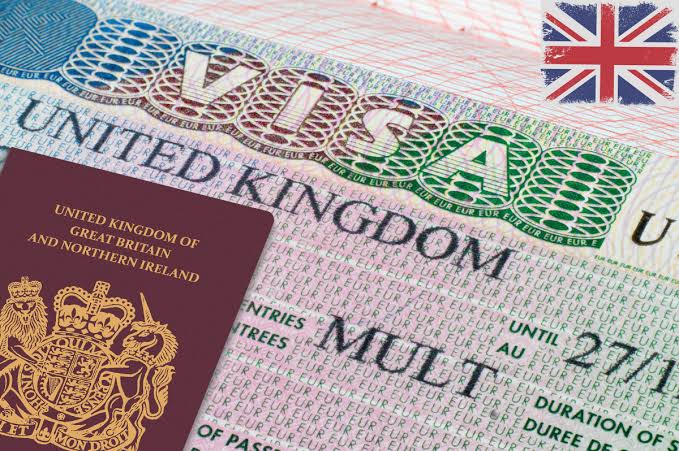
The United Kingdom has announced that the post-study work period for international students, including Nigerians, will be reduced from two years to 18 months starting January 2027.
The announcement was made on October 14 by UK Home Secretary Shabana Mahmood, who explained the policy alongside the introduction of stricter English language requirements for immigrants.
According to a statement released on the UK government website on Wednesday, the change is part of the government’s flagship immigration white paper and the “Plan for Change,” aimed at tightening immigration controls while still attracting global talent.
“The time for international students to find a graduate-level job after completing their studies will be cut to 18 months from the current two years,” the statement said, noting that the change responds to data showing that many graduates had not transitioned into suitable employment as intended.
The UK also announced an increase in the Immigration Skills Charge (ISC), paid by employers sponsoring skilled foreign workers. The charge will rise by 32%, the first increase since 2017, with funds reinvested in training the domestic workforce to reduce reliance on overseas labor.
Stricter English language requirements are being introduced for students entering the UK for study, work, or settlement. Home Secretary Mahmood stressed that these measures are intended to ensure graduates contribute effectively to the UK economy.
The government has also indicated that additional fees will make studying in the UK more expensive. Undergraduate tuition fees for the 2025/26 academic year have already increased by 3.1%, rising from £9,250 to £9,535.
Data shows that fewer international students chose the UK as a study destination in 2024, following policy changes aimed at limiting dependants for non-research postgraduate students and those not on government-funded scholarships.
The post-study work cut is part of broader efforts to balance attracting top talent with ensuring immigration policies meet domestic economic priorities.
Experts suggest that the combined effect of shorter work visas, higher tuition fees, and stricter language requirements could affect the UK’s appeal to international students in the coming years.


