


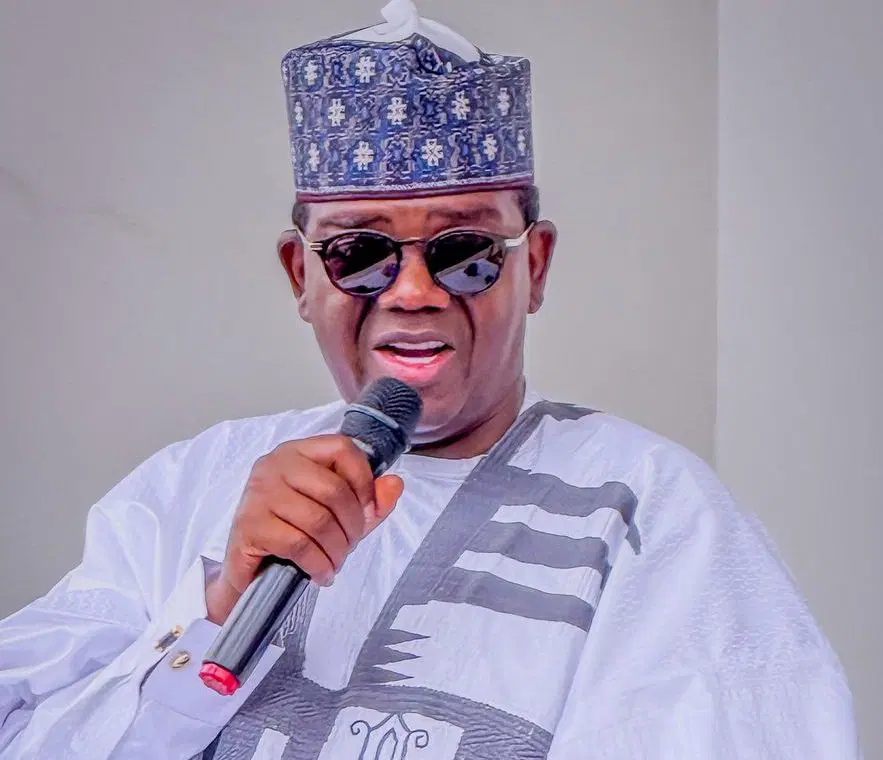
A fresh controversy has emerged over Nigeria’s worsening security situation after a United States lawmaker accused the Minister of State for Defence, Bello Matawalle, of attempting to influence American officials and suppress international scrutiny of violence in parts of the country. 🇳🇬
The allegation was made by Kimberly Daniels, a member of the Florida House of Representatives and chairwoman of the United World Congress of Diplomats (UN-WCD), during a Facebook live broadcast in which she claimed she faced pressure after raising concerns about what she described as targeted killings of Christians in Nigeria.
Daniels alleged that individuals she linked to the minister attempted to discredit her report and mobilise US-based officials to counter her position. She further claimed that an unnamed American lawmaker was persuaded to publicly defend Nigeria’s defence leadership.
According to her, she received what she described as evidence of communications, including a prepared statement and promotional materials, allegedly connected to the minister and intended to shape responses among US elected officials.
“I am speaking on behalf of people who say they are under attack,” Daniels said, stressing that her intervention was meant to draw attention to the situation and call for investigation rather than make direct accusations.
Her remarks followed a report released on April 14, 2026, by the UN-WCD raising concerns about escalating violence in Nigeria’s North Central and North West regions. The report referenced attacks during the Easter period in Plateau, Kaduna and Nasarawa states and highlighted what it described as a widening gap between official assurances and conditions on the ground.
The document also questioned the continued leadership of the defence ministry under Matawalle, citing what it called “credibility and integrity concerns,” and recommended a review of the country’s security leadership.
It further urged President Bola Tinubu to consider redeploying the minister and to support a transparent investigation into the allegations raised in the report.
Daniels said her position was based on testimonies from affected communities, members of the Nigerian diaspora, and information gathered through the UN-WCD’s multinational network across the United States, Nigeria, Ghana, the United Kingdom and Canada.


