


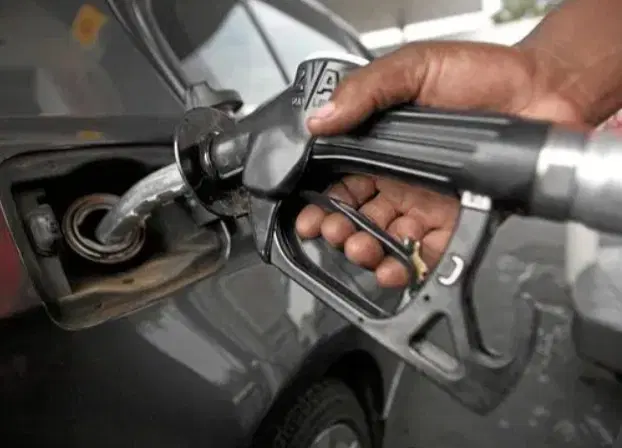
Rising tensions between Israel, Iran, and the United States have pushed global crude oil prices to about $114 per barrel, triggering fresh fears of higher petrol prices in Nigeria, where fuel now sells between ₦1,200 and ₦1,400 per litre. The escalation followed Israeli strikes on Iran’s South Pars gas field and retaliatory Iranian attacks on energy facilities in Qatar and Saudi Arabia, raising concerns about further disruption to global energy supply.
The surge in crude prices has directly impacted Nigeria’s downstream market, with petrol prices rising sharply from ₦730–₦880 per litre at the onset of the conflict to as high as ₦1,300 in some areas. The Dangote Refinery also increased its ex-gantry price to ₦1,175 per litre, citing dependence on international crude benchmarks, prompting marketers like NNPC Retail and others to repeatedly adjust pump prices upward.
Despite volatility in global energy markets, cooking gas prices have remained relatively stable in Lagos and Abuja, hovering around ₦1,100–₦1,150 per kilogram at major outlets, though prices have risen to between ₦1,500 and ₦1,800 per kilogram in parts of the South-East and South-South. However, analysts warn that sustained increases in crude oil prices could eventually push up domestic gas prices as well.
Meanwhile, the conflict shows signs of deepening, with Donald Trump threatening further strikes and considering measures such as deploying troops to secure oil routes and easing sanctions on Iranian oil to stabilize markets. Iran has also warned it could target more regional energy infrastructure, heightening fears of prolonged instability, while Arab states and European leaders have called for de-escalation and ceasefire talks.
Stakeholders and experts have urged the Nigerian government to take proactive measures to cushion the impact, including diversifying the economy, strengthening local refining capacity, supporting vulnerable citizens, and building strategic reserves. They emphasized that reducing reliance on oil and investing in sectors like agriculture, manufacturing, and technology are critical to achieving long-term economic stability amid global shocks.


