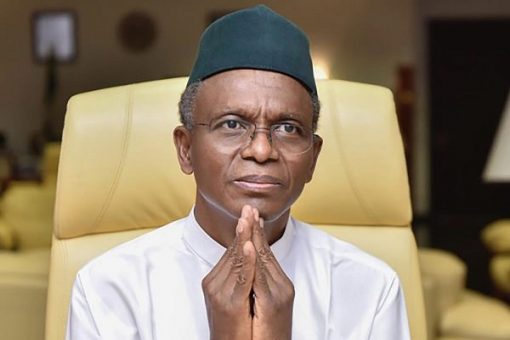
 The unfolding legal and political challenges facing former Kaduna State governor, Nasir Ahmad El-Rufai, can no longer be dismissed as routine political disagreements or elite power struggles. Rather, they increasingly point to a pattern—a convergence of allegations, investigations, and emerging legal proceedings that reinforce long-standing concerns about governance, accountability, and the stewardship of public resources.
The latest development, indicating that the Independent Corrupt Practices and Other Related Offences Commission is preparing to transfer El-Rufai to Kaduna to face a fresh corruption trial, adds a significant dimension to an already complex narrative. For a figure once central to Nigeria’s political power structure, this moment represents more than a personal crisis; it is a critical test of the country’s anti-corruption institutions and its broader commitment to accountability.
At the centre of the matter is the outcome of a legislative probe conducted by the Kaduna State House of Assembly. The Assembly’s investigation into El-Rufai’s administration from 2015 to 2023 reportedly uncovered substantial financial irregularities, culminating in his indictment over alleged mismanagement and misappropriation of public funds. These findings followed months of scrutiny, public hearings, and sustained pressure from civil society groups demanding transparency.
While it is often politically expedient to dismiss such probes as vendettas or partisan witch-hunts, that argument weakens when multiple layers of institutional action begin to align. The Assembly not only raised concerns but also concluded its investigation and formally transmitted its findings to the appropriate authorities—an indication of procedural seriousness that cannot be easily overlooked.
Equally troubling are claims by Governor Uba Sani that the state was left with unaccounted funds amounting to ₦423 billion, alongside a significant debt burden. If substantiated through due process, even a portion of these figures would represent one of the most consequential cases of alleged financial mismanagement in recent Nigerian political history.
Efforts by El-Rufai’s allies to characterise the allegations as politically motivated are not unexpected. In Nigeria’s political landscape, claims of “political persecution” are frequently deployed when powerful figures face scrutiny. However, the persistence and expansion of the allegations in this case suggest a more substantive issue than mere political rivalry.
The situation has now moved beyond accusation to tangible legal jeopardy. The ICPC’s continued custody of the former governor, alongside plans for prosecution, suggests that investigators believe sufficient grounds exist to proceed. Given the history of weak or poorly prosecuted cases by anti-corruption agencies, such a step typically reflects a degree of confidence in the available evidence.
El-Rufai has, however, countered with allegations that ICPC officials attempted to coerce him into withdrawing from politics as a condition for his release. While such claims introduce an additional layer of controversy, they do not, in themselves, diminish the seriousness of the corruption allegations. Instead, they risk diverting public attention from the substantive issues under investigation.
For years, El-Rufai cultivated a reputation as a reformer and outspoken critic of inefficiency in public service. His tenure was marked by bold—and at times controversial—policy decisions. Yet governance is ultimately judged not by rhetoric or intent, but by transparency, accountability, and adherence to the rule of law.
Current developments suggest that beneath that reformist image, there may have been systemic lapses, if not outright abuses, now coming under scrutiny. The scale of the alleged financial discrepancies and the involvement of multiple institutions point to potential weaknesses in oversight and governance structures.
This is precisely why due process must be allowed to run its full course. Nigeria’s democracy cannot sustain selective accountability—where scrutiny is reserved for the politically vulnerable while influential figures evade consequences. If the allegations are proven, prosecution would send a powerful signal that no individual is above the law.
For the people of Kaduna State, the implications are immediate and tangible. Alleged financial mismanagement is not merely a matter of figures; it represents resources that could have supported infrastructure, healthcare, education, and economic development. If misused, such funds translate into lost opportunities and diminished public trust.
Ultimately, this moment underscores a broader truth: political power is transient, but accountability endures. The current challenges facing El-Rufai are not solely personal—they reflect a broader reckoning with governance standards in Nigeria.
As legal proceedings unfold, public attention will remain fixed not merely out of curiosity, but from a deeper expectation—that justice, accountability, and the rule of law will prevail over impunity.
If handled with integrity, this moment could mark a turning point—reaffirming that public office is a trust, and that breaches of that trust will, eventually, be met with consequences.