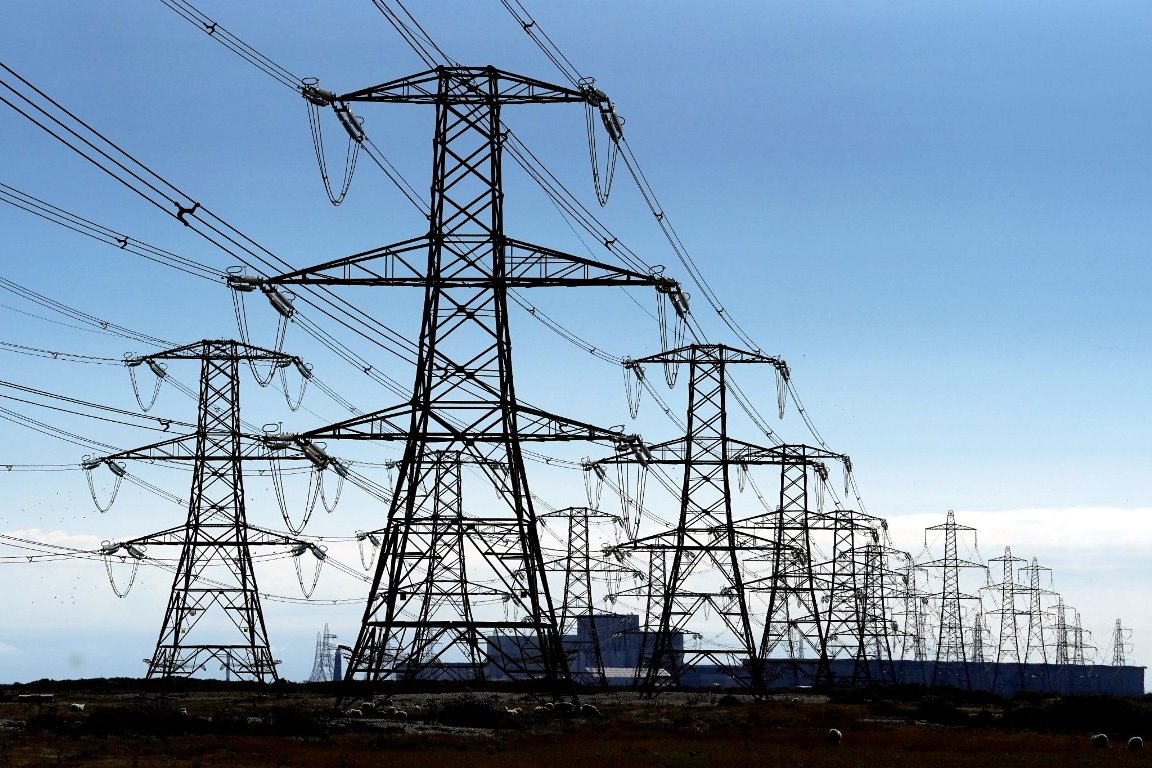
 Despite the injection of €2.3 billion (N3.7 trillion) into the Presidential Power Initiative (PPI), Nigeria’s flagship electricity project has collapsed, failing to achieve its target of 25,000 megawatts (MW) by 2025. Current data shows the country still struggles to generate around 5,000 MW, transmit just over 4,000 MW, and distribute about 3,000 MW, leaving a population of over 200 million largely underserved. Key challenges cited include poor infrastructure, high technical and commercial losses, weak metering, liquidity issues, gas shortages, and grid instability.
FGN Power has highlighted ongoing efforts to address the shortfall, including Phase 1 of the PPI, which will deliver five substations by 2026–2027, adding 984 MW to the transmission network. Phase 2, set to begin in May 2026, will construct 12 additional substations by 2028. However, experts such as Prof. Yemi Oke stress that the weakest links remain transmission and distribution, citing metering gaps, energy theft, tariff collection issues, and aging infrastructure that hinder reliable electricity delivery.
Industry leaders warn the PPI’s failure has imposed significant costs on homes, businesses, and the economy. Dr. Chinyere Almona of the Lagos Chamber of Commerce & Industry highlighted that inadequate electricity forces companies to rely on costly generators, raising production costs, reducing competitiveness, and discouraging investment. The Centre for the Promotion of Private Enterprise also stressed that power shortages limit industrialisation, job creation, and Nigeria’s ability to compete under the African Continental Free Trade Area (AfCFTA).
In response, President Bola Tinubu inaugurated an 11-member committee to establish the Grid Assets Management Company (GAMCO), intended to optimise transmission, reduce stranded power, and modernise grid operations. The committee will review laws, policies, and institutional frameworks, assess asset ownership and management, and pilot projects at selected NIPP power plants to improve national electricity delivery.
Critics, including power advocacy group PowerUp Nigeria, caution that GAMCO’s role risks overlapping with existing initiatives like the PPI and FGN Power. Concerns focus on potential conflicts of authority, coordination with the Ministry of Power, and the integration of the Nigeria Integrated Energy Plan. Stakeholders stress that clarifying GAMCO’s mandate and resolving functional overlaps is crucial to ensure tangible improvements in Nigeria’s power sector.