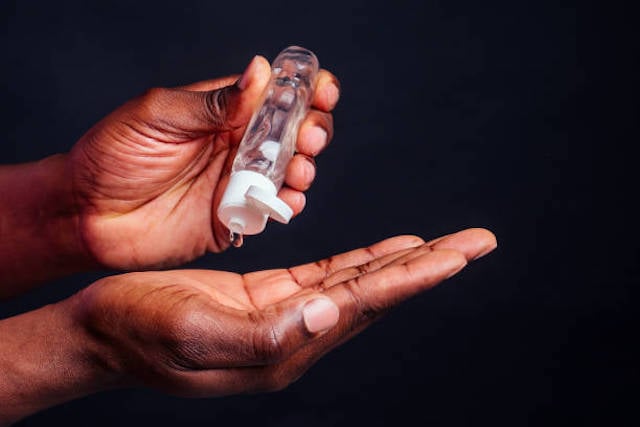
The European Union is considering banning ethanol as an active ingredient in hand sanitisers and other biocidal products due to growing concerns about its potential cancer risks, the Financial Times reported on Tuesday.
According to the report, the European Chemicals Agency (ECHA) flagged ethanol as a potentially toxic substance following an internal recommendation from one of its working groups on October 10.
The agency’s findings suggested that ethanol could increase the risk of cancer and reproductive harm, including pregnancy complications, prompting calls for its replacement in disinfectants and cleaning products widely used across the EU.
The ECHA’s Biocidal Products Committee is scheduled to meet from November 25 to 28 to deliberate further on the issue.
In a statement to Reuters, the agency confirmed it is currently evaluating ethanol’s safety for use in biocidal applications.
“If the expert panel determines that ethanol poses a cancer or reproductive risk, a recommendation for substitution will be made,” the statement read.
ECHA stressed, however, that its review is still ongoing and no final decision has been reached. The European Commission will make the final determination based on the expert committee’s scientific opinion.
Despite the review, the World Health Organisation (WHO) continues to classify ethanol and isopropanol as safe and effective agents for hand hygiene.